


Winter brings freezing temperatures, snow, and harsh weather conditions that directly threaten your mobile home's comfort and structural integrity. Mobile homeowners must prepare their properties before the cold season arrives to prevent expensive damage and maintain indoor warmth.
At Mobile Home Outfitters, we understand the unique challenges that winter presents for mobile home residents. This comprehensive guide walks you through the essential steps to stay warm this winter and winterize your mobile home right. With our guidance, you'll ensure your property remains comfortable and protected throughout the coldest months.
Seal Air Leaks and Insulate Your Home
Air leaks are among the largest sources of heat loss in mobile homes. Cold air enters through gaps around windows, doors, and foundation vents, forcing your heating system to work overtime and increasing energy costs.
You must inspect your entire mobile home for these problematic areas and seal them with weatherstripping, caulk, or spray foam insulation. Pay special attention to areas where pipes penetrate walls and where utilities enter your home, as these spaces often remain unsealed and vulnerable to drafts.
Insulation becomes increasingly important during the winter months, especially in mobile homes, where insulation standards differ from those in traditional houses. Most mobile homes have insulation in walls and ceilings, but this protection may have deteriorated over time or proven insufficient for your climate. Adding extra insulation to your attic creates a significant thermal barrier against heat loss through the roof.
You can also install pipe insulation around water lines to prevent freezing during extreme cold snaps. Window treatments like thermal curtains or cellular shades trap warm air in your living spaces while blocking cold air from penetrating through glass surfaces. These combined efforts allow you to maintain consistent interior temperatures and reduce heating demand throughout winter.
Protect Your Water Systems from Freezing
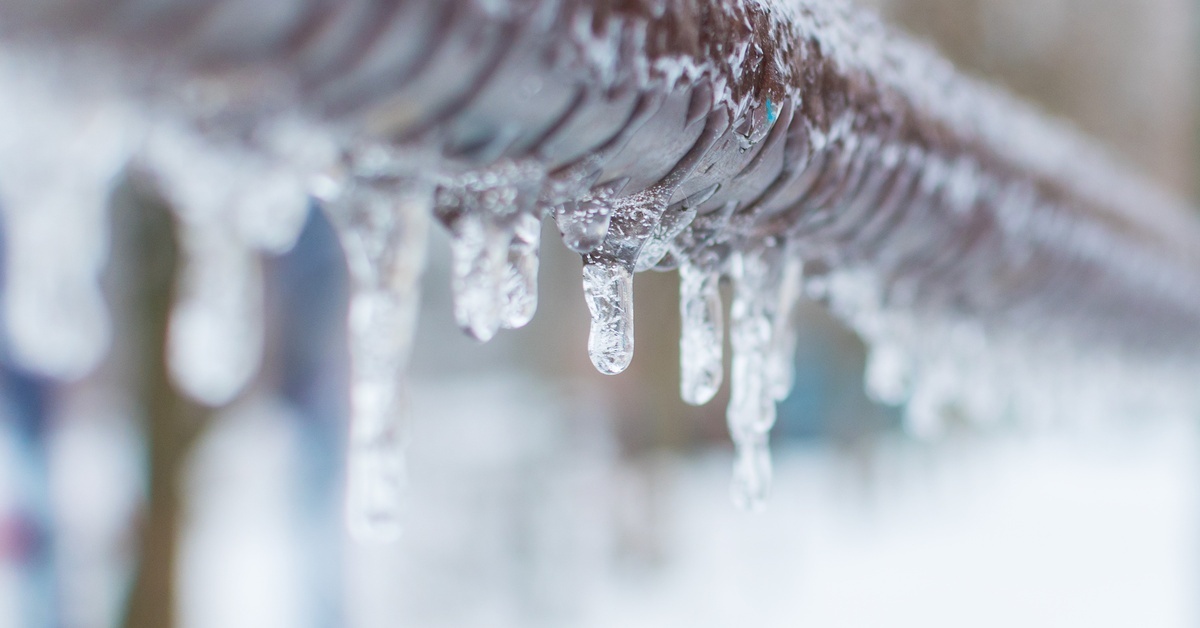
Frozen water lines pose a serious threat to mobile home residents, potentially causing costly repairs and leaving your household without water. Mobile homes have water lines that run under the home in areas exposed to extreme temperatures, making these systems particularly vulnerable to freezing.
You should drain the exterior faucets and disconnect garden hoses before the first freeze to prevent trapped water from expanding and damaging connections. Install faucet covers or insulated boxes over outdoor faucets to add an extra layer of protection against harsh weather.
The undercarriage of your mobile home requires dedicated attention during winter preparation. Consider using heat tape on water supply lines to keep temperatures above freezing even on the coldest nights.
Allow water to drip slowly from interior faucets when temperatures drop significantly, as moving water resists freezing better than stationary water in pipes. Open cabinet doors under sinks to allow heated interior air to reach the pipes running through these spaces.
For mobile homes in regions with prolonged freezing temperatures, use a mobile home skirting calculator to determine the ideal amount of insulation around your foundation. This insulation creates an enclosed thermal zone that protects water lines and improves overall energy efficiency. These preventive measures eliminate the risk of costly water damage and ensure your plumbing system remains functional throughout winter.
Inspect and Maintain Your Heating System
Your heating system is responsible for keeping your mobile home warm during winter, making regular inspections and maintenance critical. Schedule a professional inspection of your furnace before temperatures drop to ensure all components function properly and the system operates at peak efficiency.
A technician will clean the furnace, replace or clean the air filter, check the thermostat calibration, and identify potential problems before they escalate into emergencies. This preventive approach saves money by preventing breakdowns during the coldest days when emergency repair services charge premium rates.
Change your furnace air filter regularly throughout the heating season, as dirty filters reduce airflow and force your system to work harder while consuming more energy. Vacuum vents and returns to eliminate dust and debris that restrict air circulation throughout your home.
Inspect the chimney or venting system if your mobile home uses a wood-burning stove, as the buildup can prevent proper ventilation and create fire hazards. Test your carbon monoxide detector to ensure it functions correctly, as heating systems produce this dangerous gas. Consider these maintenance tasks before winter arrives:
- Schedule professional furnace inspections and cleaning.
- Replace air filters monthly during heating season.
- Check thermostat batteries and accuracy.
- Inspect all vents and returns for blockages.
- Test carbon monoxide and smoke detectors.
- Clean gutters to prevent ice dam formation
- Check the roof for damaged or missing shingles.
These actions protect your heating system's reliability and your family's safety throughout the winter months. Proper maintenance extends your furnace's lifespan, improves energy efficiency, and prevents dangerous malfunctions that could leave your mobile home without heat during freezing weather.
Weatherproof Your Roof and Gutters
Your roof serves as the primary barrier between your family and winter weather, so it requires thorough inspection and maintenance before the cold season begins. Walk around your mobile home's exterior to look for damaged, cracked, or missing shingles that allow water to penetrate the underlying structure.
Even minor roof damage worsens under freeze-thaw cycles when water seeps into gaps, freezes, and expands, causing further damage to your roof and interior spaces. Address any problems immediately to prevent expensive water damage inside your home.
Gutters and downspouts channel water away from your roof and foundation, preventing ice dam formation and water damage. Clean gutters thoroughly before winter arrives, removing leaves, debris, and sediment that block water flow. When gutters become clogged, water backs up under roof shingles and freezes, creating ice dams that force water to flow into your walls and ceilings.
After cleaning your gutters, verify that the downspouts direct water at least four to six feet away from your mobile home's foundation. Consider installing gutter guards or screens to reduce debris accumulation and minimize cleaning frequency during the winter months.
Inspect the sealant around roof penetrations, including vents, chimneys, and satellite dishes, to ensure these areas remain watertight. Winter weather constantly tests your roof's integrity, so thorough preparation prevents water intrusion and the costly damage that follows.
Winterize Your Exterior and Foundation
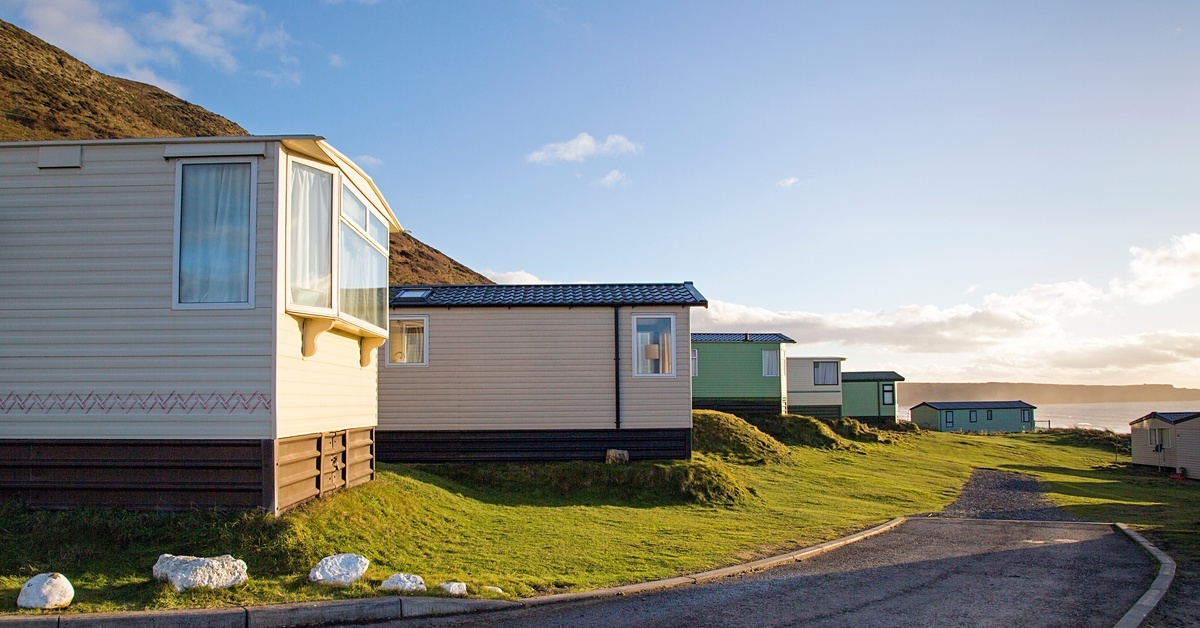
The foundation and exterior of your mobile home require dedicated winterization efforts to withstand winter's harsh conditions. Mobile home skirting protects the undercarriage from wind, precipitation, and extreme temperature fluctuations, creating an enclosed space that maintains warmer temperatures around water lines and structural supports.
Inspect the existing skirting for damage, gaps, or deterioration, and repair or replace any sections that no longer provide adequate protection. Ensure all openings in the skirting remain closed to prevent cold air from flowing under your home, except for vents required by your manufactured home for proper ventilation.
Clear vegetation around your mobile home's foundation, trimming back tree branches and shrubs that could break under heavy snow loads and damage your roof or walls. Remove any dead trees near your home that might fall during storms. Grade the soil around your foundation to direct water away from the base of your home, preventing pooling that could lead to foundation problems or increased interior moisture.
Inspect your mobile home's siding for cracks, gaps, or other damage, and address any issues before the winter weather worsens them. Check that all doors seal properly and windows close completely, eliminating entry points for cold air and moisture. These exterior preparations work together with interior winterization efforts to create a fully protected mobile home that resists winter weather throughout the season.
Winterize Now, Stay Warm Later
Cold weather puts every part of your mobile home to the test, from the plumbing to the insulation. Implementing these winterization strategies ensures your mobile home remains warm, safe, and protected throughout the cold months.
Mobile Home Outfitters provides all the supplies and expertise you need to complete these essential tasks, including insulation materials, specialized tools, and equipment. We’ll help you stay warm this winter and winterize your mobile home right.