
A hole in your mobile home's skirting is an open invitation for pests, a drain on your home's energy efficiency, and a cosmetic blemish on your beautiful space. You might think a repair requires a professional, expensive visit, but what if you could fix it yourself with lasting results? Imagine your home looking pristine and secure again, without the high cost or hassle. With the right materials and a straightforward process, you can achieve a durable, professional-quality repair that restores your peace of mind and your home's curb appeal.
This guide provides everything you need to know to repair mobile home skirting in three easy steps. We'll walk you through how to identify the cause of the damage, gather the right tools, and complete a straightforward repair. Plus, you’ll pick up valuable tips to prevent future issues, keeping your skirting secure and looking great.
Why Skirting Repair Matters
Your home's skirting, or underpinning, hides the foundation and acts as a barrier, protecting the underside of your home from moisture, which can lead to mold and structural decay. It prevents animals such as raccoons, opossums, and stray cats from making a home underneath your floor, which can cause damage to wiring and insulation.
Intact skirting maintains a stable temperature in the crawl space, reducing the workload on your heating and cooling systems, leading to better energy efficiency. A simple hole can create drafts and increase your utility bills. By using durable skirting solutions to address damage quickly, you protect your home’s value, safety, and comfort.
Common Causes of Skirting Damage
Understanding what causes skirting damage helps you prevent it from happening to you. One of the most frequent culprits for damaging skirting is lawn care equipment. A lawnmower or string trimmer getting too close can easily crack or puncture the panels. But accidental impacts from balls, bicycles, or vehicles hitting it create the most significant damage.

Weather is another major damage-inflicting factor. High winds can loosen panels, while hail can leave dents and holes. Exposure to sunlight and temperature fluctuations makes materials brittle and more susceptible to cracking. Regular inspections, especially after storms or during seasonal changes, allow you to catch and repair minor damage before it becomes a major problem.
Tools and Materials You'll Need
Having the right tools and materials on hand makes any repair job go smoothly. A successful manufactured home skirting repair requires products designed for durability for mobile homes. For a long-lasting fix, gather the right supplies before you begin.
Here’s a checklist for a professional-grade repair:
- Replacement Skirting Panel or Patch: Choose a material that matches your existing skirting.
- Heavy-Duty Skirting Repair Tape: A specialized, weatherproof tape for mobile home skirting repairs.
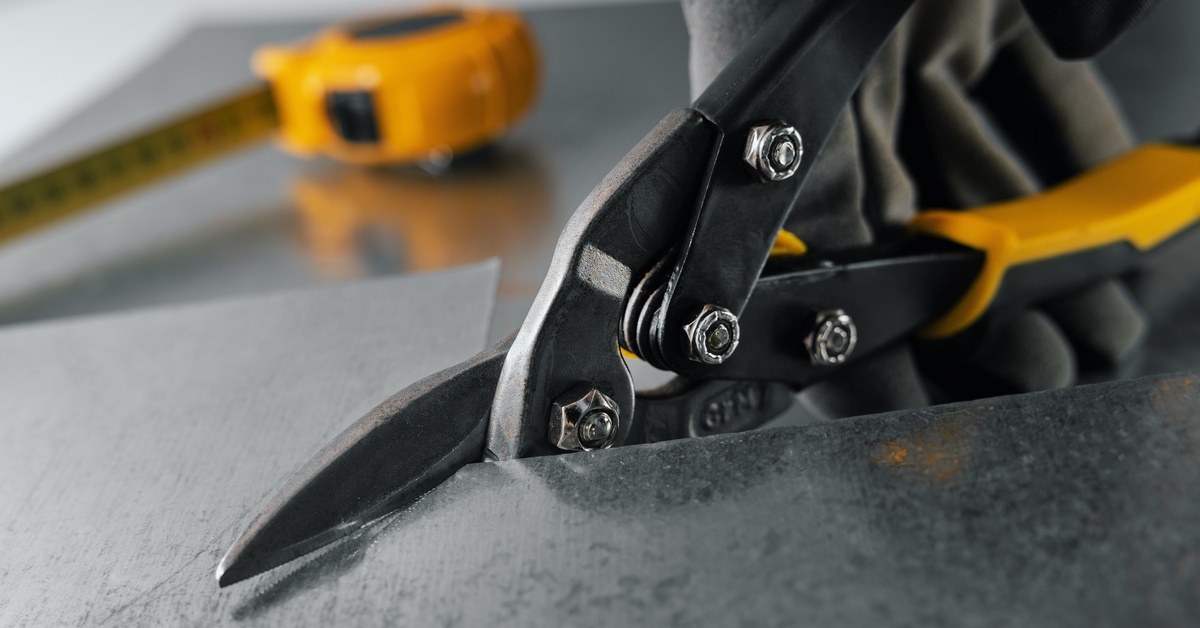
- Utility Knife or Tin Snips: Use straight-cut tin snips (10 in.) or a retractable utility knife.
- Tape Measure and Marker: A 10 ft. option should work just fine for measuring most patches, and a permanent marker.
- Cleaning Supplies: A bucket, water, mild soap, and a scrub brush or cloth.
- Caulk or Sealant: An exterior-grade, waterproof sealant that matches the color of your panels, or use clear.
- Safety Gear: Cut-resistant gloves and safety glasses.
Step 1: Prepare the Damaged Area
Taking the time to prepare your skirting will set you up for a smooth repair process. Before you patch the hole, you’ll need to clean and dry the surface well so that the patch sticks better and lasts longer.
Clean the Area
Use a scrub brush with soap and water to clean around the hole and remove all dirt, grime, and debris. If you see mildew is present, a solution of water and vinegar will wipe it all away. Rinse the area thoroughly and allow it to dry completely.
Trim the Edges
Once clean, check the edges of the hole. If they are rough and uneven, use a utility knife to trim away any jagged or loose material, creating a smooth opening. This allows your patch to lie flat and blend seamlessly with your existing skirting.
Step 2: Cut and Fit the Patch
Now you can create a patch that fully covers and protects the hole. Choosing the right size and shape for your patch will make your repair less noticeable and more durable, so it stays in place longer.
Measure and Mark
Measure the height and width of the hole and add at least two inches to each side. This gives you enough room for the patch to overlap and stick well. Mark those measurements on your patch panel.
Cut and Test Fit
Cut the patch to size using a utility knife or tin snips. Before applying the adhesive, hold the patch over the hole to check the fit. Do any trimming you need so the patch lies flat and completely covers the damaged area for a seamless repair.
Step 3: Secure and Seal the Patch
With your patch cut and ready, you can finish the repair. This final step secures your patch and holds up against the weather and everyday wear.
Attach the Patch
Apply a thick line of exterior-grade waterproof caulk or sealant on the back edges of your patch. Press the patch firmly over the hole, smoothing down the edges to create a complete, watertight bond. Wipe away any extra sealant with a damp cloth for a clean finish.
Reinforce and Finish
For extra strength, especially on larger holes, apply specialized skirting repair tape over the patch edges. This extra barrier protects against moisture and wind. Once the sealant is fully cured according to the manufacturer’s instructions, your repair is complete, and your affordable skirting repair is ready to withstand the elements.
Get Started on Your Skirting Repair Today
Fixing mobile home skirting holes is a manageable project that impacts your home's appearance, security, and efficiency. By following these three easy steps for repairing mobile home skirting, you can achieve a durable result that takes care of unsightly damage, protects your home from pests, and conserves energy.
When you're ready to tackle this project, secure high-quality materials for a lasting fix. For the best selection of replacement mobile home skirting panels, repair tapes, and sealants designed specifically for manufactured homes, visit Mobile Home Outfitters. We have everything you need to get the job done right.