
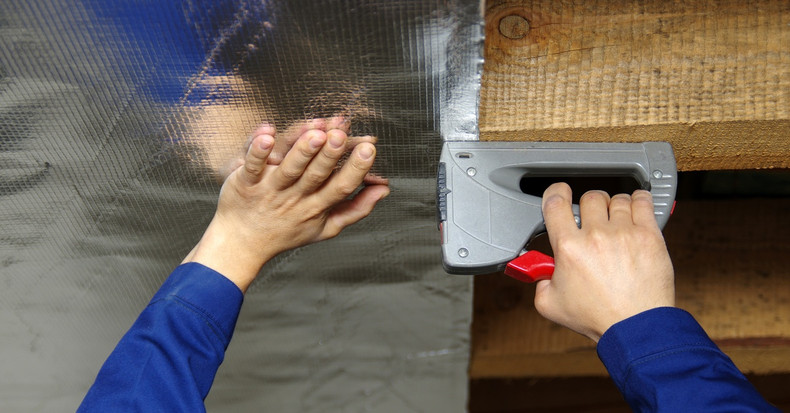
Mold growing under a manufactured home can lead to serious health problems and structural damage that no homeowner wants to deal with. The crawl space provides a perfect environment for mold when moisture, poor ventilation, and organic materials come together. Preventing mold growth underneath a manufactured home involves controlling these conditions from the start.
Taking consistent steps to reduce moisture and improve airflow protects your family’s health and maintains your home’s value. This guide outlines 10 practical strategies for keeping the crawl space under your home clean, dry, and mold-free for the long term.
1. Install a Proper Vapor Barrier
A vapor barrier blocks ground moisture from rising into the crawl space. Install heavy-duty plastic sheeting, at least six mil thick, across the entire soil surface. Overlap seams by at least six inches, and seal them with waterproof tape to keep the barrier continuous.
Extend the barrier up the foundation walls, and fasten it in place to reduce the chance of gaps forming over time. When installed correctly, vapor barriers can reduce humidity in the crawl space by up to 50 percent, creating conditions that discourage mold.
2. Improve Ventilation
Airflow can reduce damp conditions and keep mold from growing. Place foundation vents every 8 to 10 feet around the perimeter of the home. For the best results, position vents on opposite walls to promote cross-ventilation.
In areas with limited airflow, consider installing mechanical ventilation fans. These fans pull out damp air and draw in drier air from outside. Running them during the summer or after heavy rain can reduce excess moisture during the most humid times of year.
3. Control Moisture From Inside and Outside
Leaks and standing water give mold the moisture it needs to grow. Check all plumbing lines and drains for signs of leaks or condensation. Even small drips from pipes can lead to dampness over time.
Inspect the exterior of the home as well. Damaged skirting, poor drainage, or loose flashing can allow rainwater into the crawl space. Addressing these issues quickly reduces the chance of mold gaining a foothold. Mobile home skirting replacement can block out rain and debris and keep animals from entering the space.
4. Keep Humidity Levels in Check
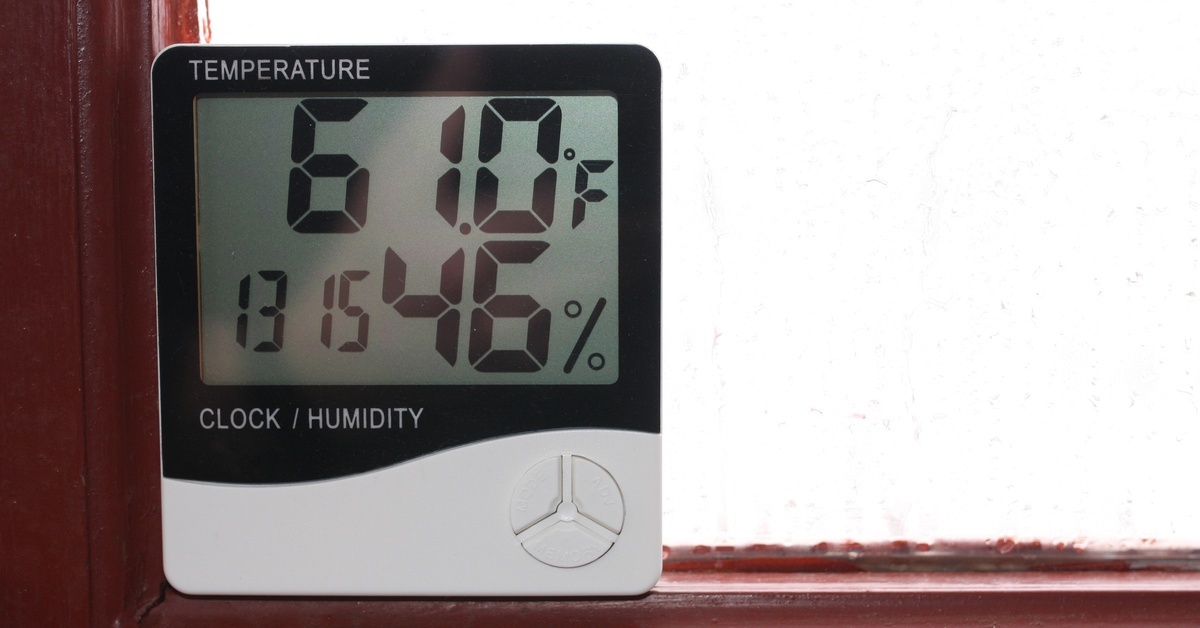
Crawl space humidity should stay below 60 percent, with the ideal range between 30 and 50 percent. Use a digital hygrometer to monitor levels.
If the humidity is too high, install a dehumidifier designed for crawl spaces. Choose a unit based on the square footage of the area. If possible, connect it to a drain so it can run without constant emptying. Dehumidifiers are especially useful in warm and humid weather.
5. Grade the Soil Around the Home
Water should flow away from your home, not toward it. Grade the soil around the foundation so it slopes downward by at least 6 inches over the first 10 feet. This directs rainwater away from the crawl space and the home’s perimeter.
Install gutters and downspouts to manage roof runoff. Make sure the downspouts extend at least four feet from the home. In areas with heavy clay or poor drainage, add French drains or drainage tiles to carry water away more effectively.
6. Seal Foundation Cracks and Gaps
Cracks in the foundation and gaps around pipes can allow moisture into the crawl space. Inspect the foundation regularly for new cracks or signs of wear. Use hydraulic cement or masonry sealants to close these openings.
Seal around any utility lines, pipes, or ducts that enter through the foundation. Use outdoor-rated caulk or spray foam to block gaps. Keeping these areas sealed limits both moisture and pests from getting inside.
7. Keep the Crawl Space Clean
Mold feeds on organic materials such as wood scraps, cardboard, and leaves. Keep the crawl space clean by removing anything that doesn’t need to be there. Store any necessary items in sealed plastic bins to keep moisture out.
Trim shrubs and plants near the foundation to improve airflow, and keep organic debris from blowing under the home. A clean crawl space gives mold fewer materials to grow on and makes inspections easier.
8. Insulate and Maintain Ductwork
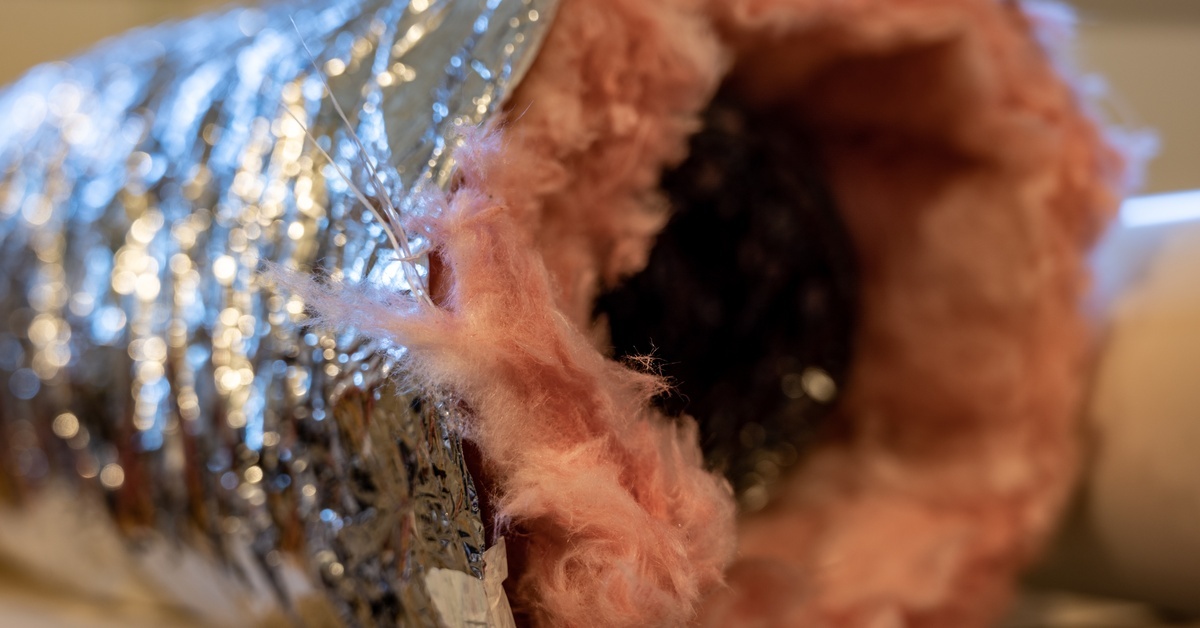
Ductwork running through the crawl space can sweat and produce condensation, especially in humid weather. Wrap ductwork with insulation designed for crawl spaces to stop condensation from forming.
Inspect ducts regularly for loose connections, holes, or deteriorating insulation. Reseal or replace any damaged parts to prevent conditioned air from leaking out and adding moisture to the space. Properly sealed ductwork also supports your HVAC system’s performance.
9. Improve Visibility for Inspections
Good lighting makes it easier to spot early signs of mold or moisture problems. Install permanent LED lights in the crawl space, or use a high-powered portable light during inspections.
Set a regular schedule to check vapor barriers, pipes, ductwork, and walls. Use a checklist to track what’s been reviewed, and document any changes with photos and notes. Early detection can prevent costly repairs later.
10. Respond Quickly to Water Intrusion
Remove any water that enters the crawl space as soon as possible. After a storm or plumbing issue, check the area for standing water. Use wet vacuums or pumps to remove water quickly.
Dry wet materials within 24 to 48 hours. Use fans, dehumidifiers, or drying equipment to speed up the process. If you notice soaked insulation or vapor barriers, and they aren’t drying, replace them to avoid long-term moisture buildup.
Bonus: Schedule Annual Professional Inspections
Annual inspections by professionals can catch issues early and provide solutions for complex problems such as hidden leaks or mold contamination. Experts often use tools such as moisture meters and air quality tests to assess conditions more thoroughly.
For recurring moisture or mold issues, professional services may include water damage repair, crawl space encapsulation, or mold remediation. Relying on expert inspections each year supports long-term protection.
Take Action To Keep Your Home Safe
Preventing mold growth underneath a manufactured home takes consistent effort across several areas: moisture control, ventilation, and ongoing maintenance. Each of the strategies listed here works together to stop mold before it has a chance to take hold.
Mobile Home Outfitters provides the products and experience needed to support long-term mold prevention. From vapor barriers and skirting to crawl-space ventilation options, these solutions are catered to manufactured homes. Take the next step today, and address any problem areas. With the right actions, you can maintain a dry, healthy space underneath your home and avoid the risks mold brings.