
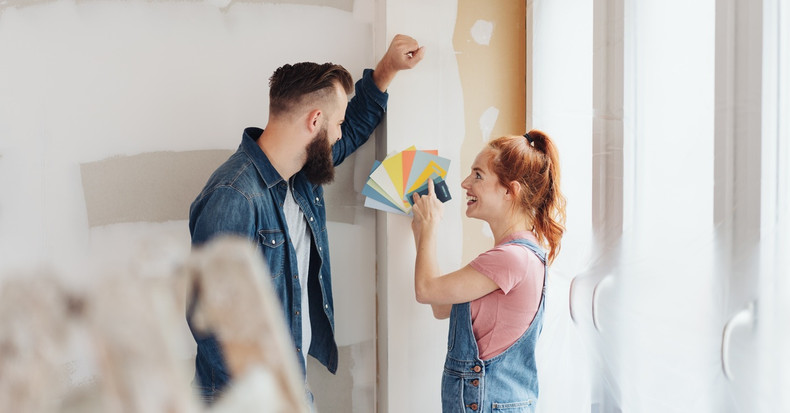

Are you dreaming of turning your mobile home into a space that feels fresh, functional, and uniquely yours? Maybe you want to modernize an outdated design, improve energy efficiency, or prepare your home for resale. But before you grab a hammer or start shopping for materials, you should plan carefully. This will save you time, money, and stress while ensuring your remodel meets your goals.
In this guide, we’ll walk you through what to think about before you start a mobile home remodel. From budgeting to material choices, these tips will help you avoid common pitfalls and make confident decisions.
1. Set a Realistic Budget
Before starting your remodel, take the time to set a clear budget. Mobile home remodels aren’t necessarily expensive, but it’s easy to overspend if you don’t stick to your plan. Consider the scope of your project and prioritize upgrades that will have the biggest impact for long-term savings, like replacing old windows or updating the kitchen.
Remember to leave room in your budget for unexpected expenses. Even small surprises, like discovering a plumbing issue or needing extra materials, can add up quickly. A little financial cushion will help you stay on track without unnecessary stress.
2. Understand Your Home’s Structure
Builders erect mobile homes differently from traditional houses, so it’s important to understand their unique construction. For one, walls and floors are lighter and thinner, which means they may not support heavy materials like stone countertops or tile flooring.
Inspect your home’s foundation and overall condition before starting any major work. Addressing structural issues early on will prevent costly mistakes and keep your remodel on track and safe.
3. Check Local Regulations and Permits
Before making any changes, contact your local building department to understand the permits and regulations necessary for mobile home remodels. These may include rules about structural modifications, plumbing updates, or electrical work. Failing to comply could result in fines or delays, or even redoing work you have already completed.
If your residence is in a mobile home park, check with the management for any community guidelines. Some parks have restrictions on exterior changes, like skirting or roofing, so it’s best to clarify these rules upfront.
4. Prioritize Energy Efficiency
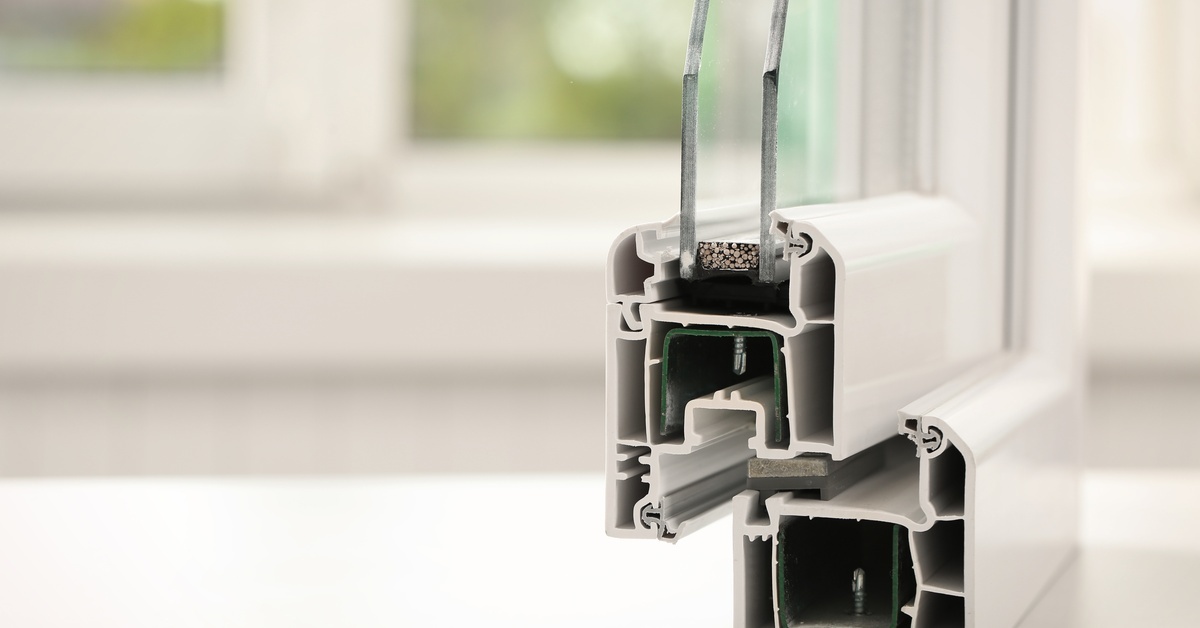
Mobile homes, especially older ones, have thinner walls, single-pane windows, and minimal insulation, making them less energy-efficient than traditional homes. Upgrading to features like more comprehensive insulation, double-pane windows, and doors with better seals can reduce energy costs and improve indoor comfort.
Focus on areas where energy loss is most common, such as drafty windows or gaps around doors. These upgrades save you money in the long run and make your home more comfortable season to season.
5. Choose Lightweight, Durable Materials
When selecting materials for your remodel, keep your mobile home’s weight limits top of mind to avoid straining the structure. Mobile homes need lighter options such as vinyl flooring, composite countertops, or paneling. These materials are lightweight, cost-effective, and easy to install.
Durability is important in high-traffic areas like kitchens and bathrooms, where surfaces face frequent use and exposure to moisture. Choose materials that are water-resistant, scratch-proof, and easy to clean, such as luxury vinyl flooring or laminate countertops. These materials handle daily wear and tear while maintaining their appearance.
6. Plan for Plumbing and Electrical Updates
If your remodel involves the kitchen or bathroom, take a close look at your mobile home plumbing and electrical systems. Try to spot potential issues like outdated wiring, smaller pipe sizes, or limited access to plumbing. Mobile homes can have unique setups that may require specialized knowledge or materials.
For example, when replacing a bathtub, measure the space thoroughly, including the length, width, and drain placement, and choose a model specifically designed for mobile homes. Standard tubs may not fit properly, and plumbing connections might need adjustments. For major updates, like installing a new shower or rewiring a room, consider hiring experienced mobile home professionals. This way, you will know the work is up to code.
7. Maximize Space and Storage
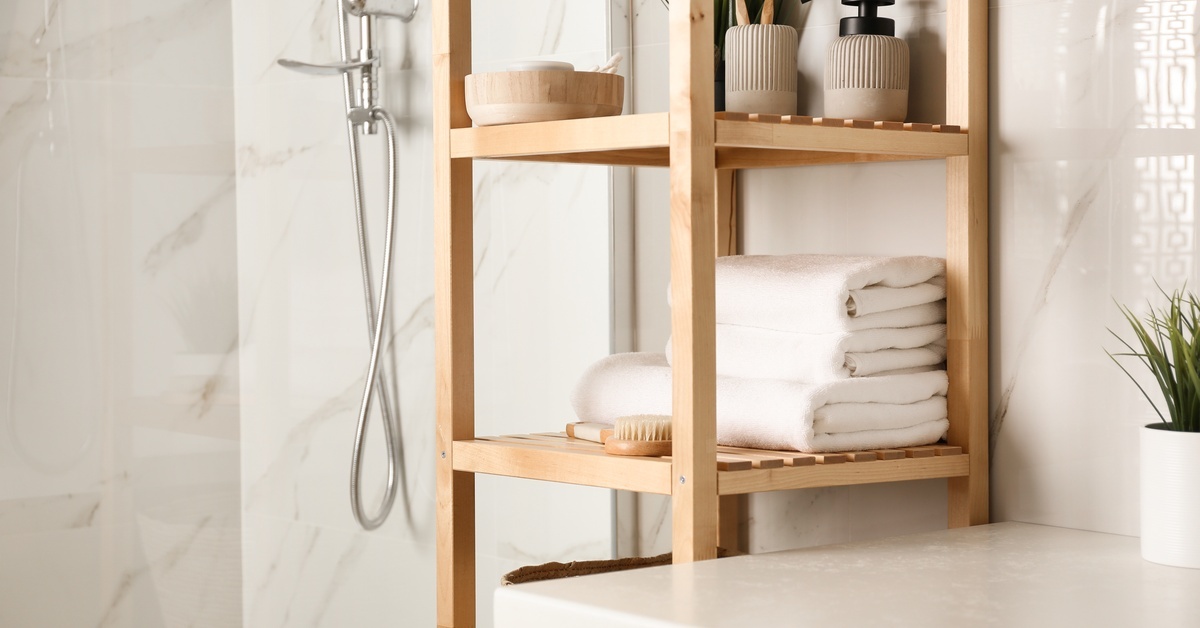
Limited space in mobile homes requires you to make the most of every square foot. Look for creative ways to add storage, like built-in shelving for vertical space, under-bed drawers for hidden storage, or multifunctional furniture such as ottomans with storage compartments.
When planning your layout, evaluate how you use each space and identify changes that would make it more functional. For example, rearranging cabinets or adding an island are small adjustments that can create better access to everything in your kitchen.
8. Focus on High-Impact Areas
If you’re working with a limited budget, prioritize areas that offer the most functionality and visual impact, like kitchens and bathrooms. People use these spaces the most, so improvements to them strongly boost resale value while improving your lifestyle.
Simple, cost-effective upgrades, like replacing old mobile home bathroom fixtures, painting cabinets, or installing a new backsplash, can give these spaces a quick style refresh without breaking the bank.
9. Think About Resale Value
Even if you’re not planning to sell your home right away, it’s worth considering how your remodel will affect its resale value. Upgrades that improve energy efficiency, modernize spaces, or enhance curb appeal attract the widest range of buyers and increase your home’s marketability.
Stick to neutral, timeless designs. Consider color palettes with whites, grays, or beiges, and avoid overly personalized features, such as bold paint colors or special design elements. Instead, focus on practical upgrades, like new skirting or durable flooring, that add both style and functionality to your home.
10. Plan for the Disruption
Remodeling is disruptive to your space, especially in a smaller area like a mobile home. Before starting, think about how you’ll manage the mess and inconvenience. Will you need to temporarily relocate, or can you, and any people you hire, work around the project?
Set a realistic timeline and communicate with anyone helping you with the remodel. A clear plan will help with project organization and minimize stress throughout the process.
Ready To Start Your Remodel?
A mobile home remodel is an exciting opportunity to create a space that feels like home while improving its functionality and value. By knowing what to think about beforehand, you can make the process as smooth as possible.
When it’s time to gather materials, Mobile Home Outfitters has everything you need to bring your vision to life. From energy-efficient windows to durable skirting and mobile home bathtubs, our products are here to help you every step of the way. Explore our online collection to start your remodel today!