


Understanding the world of manufactured housing requires homeowners to become familiar with its specific language. By learning about key mobile home terminology, you will be able to navigate maintenance, upgrades, and repairs with confidence.
Additionally, this knowledge empowers you to communicate effectively with technicians, order the right parts, and make informed decisions about your property. Read on to learn all the terms homeowners need to know so that you can become a more capable and self-assured owner.
Chassis
The term “chassis” refers to the foundational steel frame upon which manufacturers build and transport your mobile home. This heavy-duty structure includes the axles, wheels, and tow hitch necessary for moving the home from the factory to its final location. Although you might not see it daily, the integrity of the chassis is crucial to the structural stability of your home.
Skirting
Another example of key mobile home terminology homeowners need to know is skirting, also known as underpinning. This material encloses the space between the bottom of your mobile home and the ground. This feature serves both aesthetic and functional purposes, providing a finished look while protecting the underbelly from pests, weather, and debris.
Materials for skirting can range from vinyl and metal to faux stone, allowing you to customize your home's exterior appearance. Proper installation and maintenance of skirting are vital for energy efficiency and preventing moisture-related issues.
Marriage Line
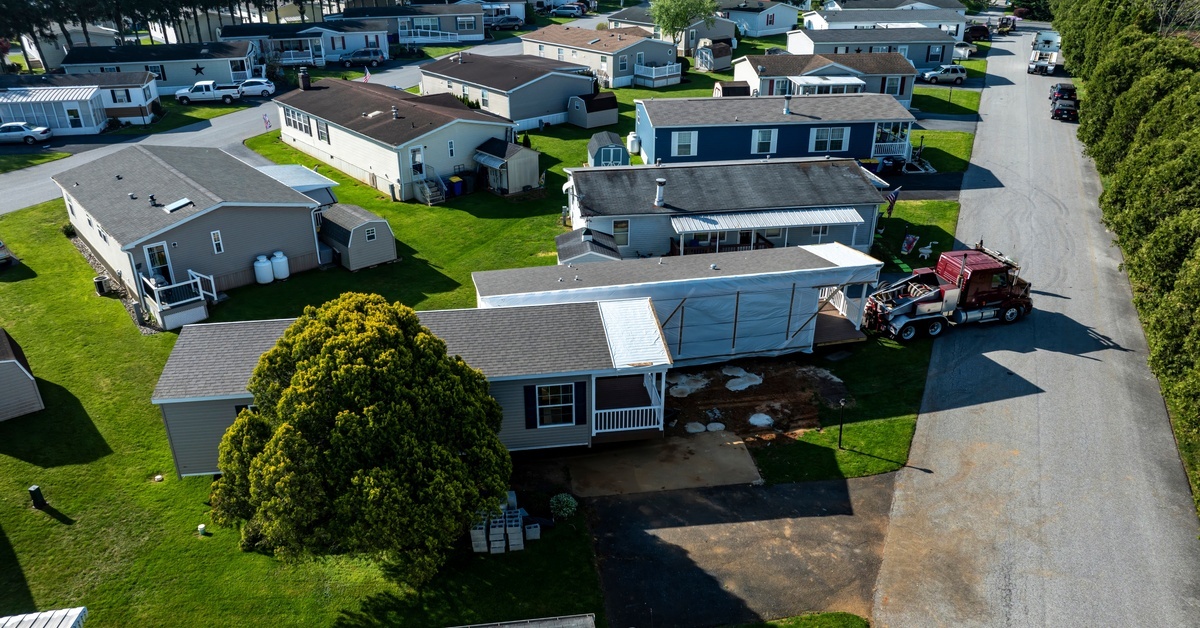
If you have a double-wide or multi-section mobile home, the marriage line is the seam that joins sections together. This connection point is critical for the home's structural integrity and weather resistance.
When workers deliver sections to your site, they carefully align and bolt them together along this line. A properly sealed marriage line prevents air leaks, water intrusion, and heat loss, ensuring a secure and comfortable living environment.
Belly Wrap
The belly wrap, or belly board, is a protective barrier located on the underside of the chassis. This durable, often black plastic sheeting shields the home's insulation, plumbing, and ductwork from moisture, pests, and physical damage.
A tear or hole in the belly wrap can lead to significant problems, including frozen pipes, pest infestations, and reduced energy efficiency. Regularly inspecting your home’s belly wrap is a key maintenance task for any mobile homeowner.
Pier and Tie-Down System
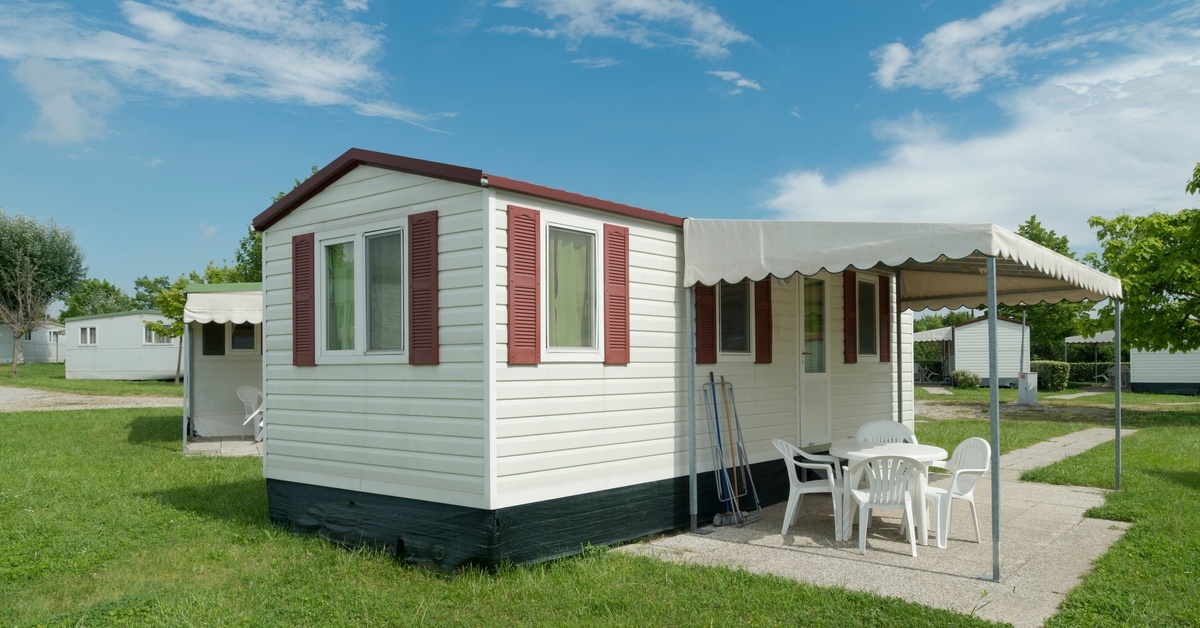
A pier and tie-down system is the method used to secure your mobile home to the ground. Piers are concrete or steel supports that manufacturers install at strategic points beneath the chassis to bear the home's weight and ensure it is level.
Tie-downs are heavy-duty straps or cables that anchor the home to the ground or a concrete foundation, providing stability against high winds and shifting. This system is fundamental to the safety and longevity of your manufactured home.
Vapor Barrier
A vapor barrier is a sheet of material used to control moisture movement within the home's structure. Typically installed in walls, ceilings, and floors, it prevents water vapor from condensing inside insulated cavities, which could lead to mold, mildew, and rot.
In mobile homes, the belly wrap is often the primary vapor barrier for the floor system. Maintaining an intact vapor barrier is crucial to preserving indoor air quality and protecting your home's structural components.
Crossover Duct
In multi-section mobile homes, the crossover duct is a large, flexible tube that connects the main furnace trunk line in one section to the ductwork in the other. This component ensures that heated or cooled air spreads evenly throughout the entire home.
A secure and well-insulated crossover duct is essential for an efficient HVAC system. Any leaks or damage can result in significant energy loss and uneven temperatures between different areas of the house.
I-Beams
I-beams are the primary longitudinal steel beams that form the mobile home chassis's main structure. Their distinctive "I" shape provides exceptional strength and rigidity, allowing them to support the full weight of the home during transport and installation.
These beams run the entire length of each section of the home. The integrity of the I-beams is non-negotiable for the home's overall structural soundness.
Outriggers
Outriggers are steel extensions that manufacturers weld or bolt to the main I-beams of the chassis. They extend outward to provide support for the exterior walls of the mobile home.
These components are essential for distributing the load of the walls and roof evenly across the entire frame. Without outriggers, the perimeter of the floor and walls would lack the necessary foundation, compromising the structure’s stability.
Subfloor
The subfloor is the structural layer of flooring fastened directly to the chassis floor joists. It creates a solid surface for your finished flooring, such as carpet, vinyl, or laminate.
In most mobile homes, the subfloor consists of particle board or plywood. The condition of the subfloor is critical, as water damage can cause it to soften, swell, or rot, requiring significant repairs.
Roof Bows
Roof bows are the curved or pitched structural members that form the framework of a mobile home's roof. These components, typically made of wood or steel, span the width of the home and support the roofing material and any weight from snow or rain.
The design of the roof bows determines the roof's pitch and shape. They work in conjunction with the walls and chassis to create a cohesive and strong structural shell.
HUD Tag
The HUD tag is a small, red metal plate affixed to the exterior of every manufactured home built in the United States. This tag certifies that the home complies with the federal building codes administered by the Department of Housing and Urban Development (HUD).
Each section of a multi-section home has its own HUD tag. This certification is crucial for financing, insuring, and verifying the safety and construction standards of your home.
Anchor Plates
Anchor plates are heavy-duty steel components installed beneath your mobile home to help secure it firmly to its foundation. Working in conjunction with tie-down straps or cables, these plates distribute the tension and load generated by anchoring systems, especially during strong winds and storms.
Properly installed anchor plates help prevent the home from shifting or settling unevenly, protecting both your investment and your safety. Regular inspection and maintenance of anchor plates ensure your home remains stable and code-compliant, providing extra peace of mind for you and your family.
Now that you are more fluent in this terminology, you can better diagnose issues, perform maintenance, and ensure your home remains safe and comfortable for years to come. When you understand the parts that make up your home, you are better prepared to find the right solutions for repairs or upgrades. You can trust Mobile Home Outfitters to provide high-quality components to help you make those changes to your abode. Contact us today to learn about the mobile home parts we offer so that you can start your next project.