
When assessing upgrade options for a mobile home, many owners question which is the better option for them, insulated or non-insulated vinyl skirting.
Both are widely used, but each comes with its own benefits and drawbacks. Understanding the differences can make your choice much easier and help you select the option that works best for your home.
What Is Vinyl Skirting and Why Is It Important?
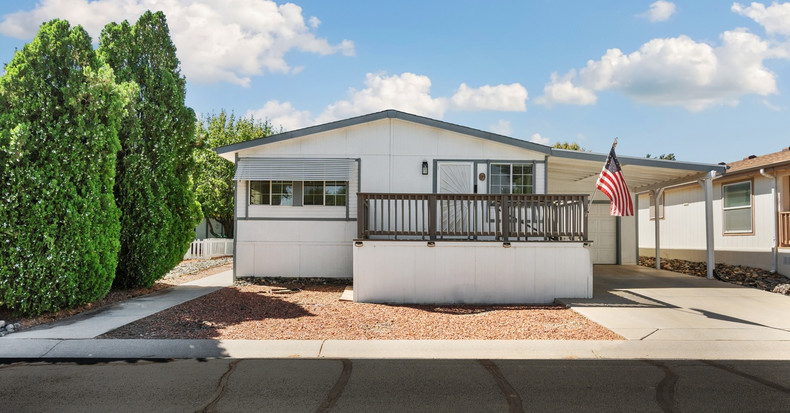
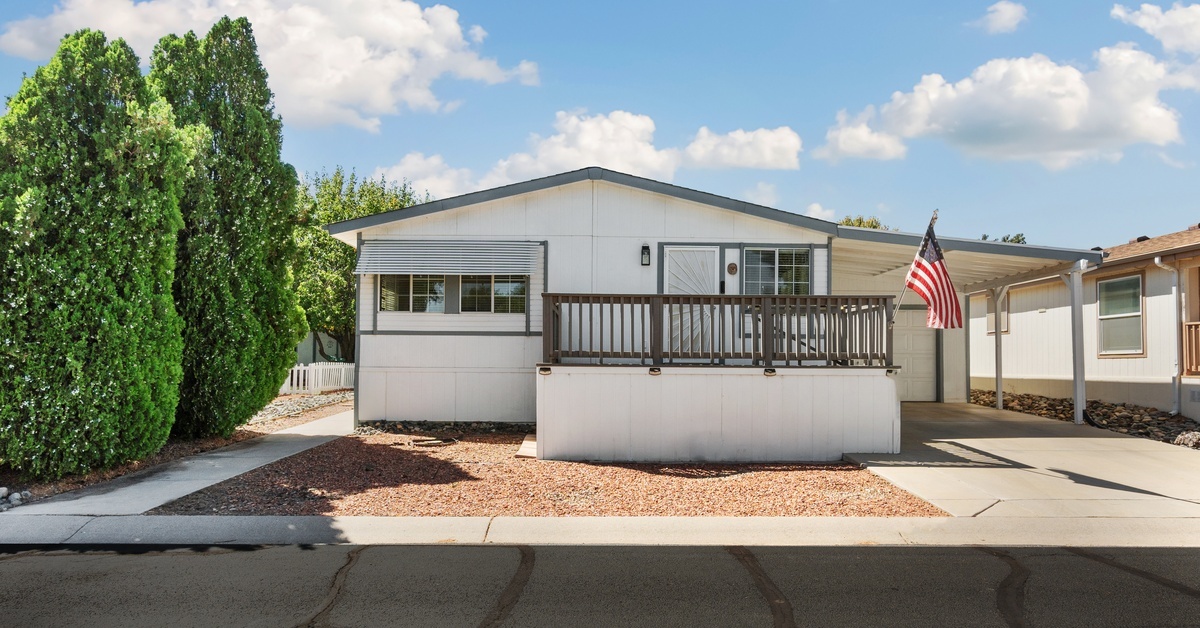
Vinyl skirting is the material installed around the bottom edge of a mobile home. It acts as a protective barrier, covering the open space beneath the home. This layer shields the underside from wind, rain, snow, pests, and debris. It also improves the home's appearance by giving it a clean, finished look.
Skirting can regulate the environment beneath your home. This is especially important for maintaining the plumbing and ductwork located underneath. The choice between insulated or non-insulated vinyl skirting affects how well the skirting performs in different weather conditions and how much maintenance it may require over time.
Insulated Vinyl Skirting Improves Temperature Control
Insulated vinyl skirting includes an extra layer of protection built into the panels. This design helps to maintain a more stable temperature under the mobile home, which in turn can help regulate the interior temperatures of your home. In cold climates, insulated skirting reduces the risk of pipes freezing, and in hot climates, it prevents heat from building up under the structure.
Better temperature control can lower energy use, especially if heating and cooling systems don't have to work as hard. While the upfront cost is higher, insulated skirting can lead to lower utility bills over time.
Non-Insulated Vinyl Skirting Is Budget-Friendly
Non-insulated skirting is a more affordable option that still protects the underside of the home from the elements and unwanted animals. It’s a good choice in areas with mild weather where temperature swings aren't as dramatic. Even without insulation, this type of skirting improves the home's appearance and shields the base from wind and rain.
Since it's lighter and easier to handle, non-insulated skirting often takes less time and labor to install. It also costs less upfront, which appeals to homeowners trying to keep renovation costs down.
Installation and Maintenance: What To Expect
Although both skirting options are easy to install, there are slight differences in the installation process between them.
Tips for Installation
Panels usually snap or slide into place using a track system. For insulated skirting, the added thickness makes it heavier, and it may require more bracing or stronger fasteners during installation. This can slightly increase labor or material costs. Non-insulated skirting is thinner and lighter, making it easier to cut and handle during setup.
For both types, it's important to leave adequate ventilation space, which helps prevent moisture from building up underneath the home.
Maintenance and Storm Assessment
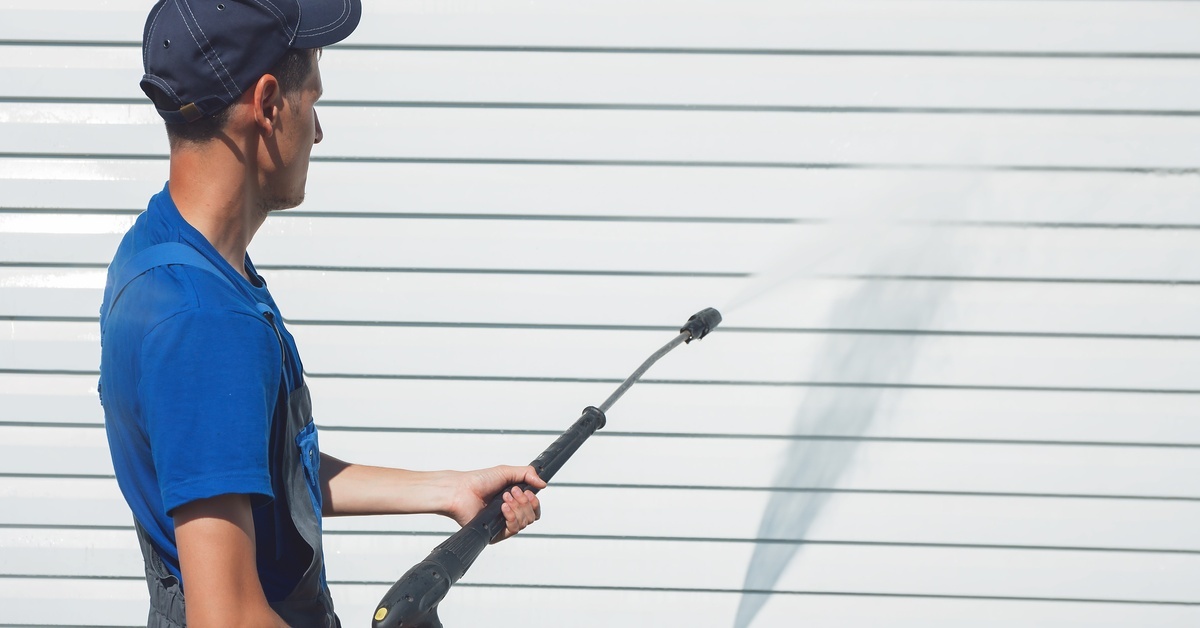
Maintenance for vinyl skirting is generally simple. Cleaning with a garden hose and mild soap keeps it looking fresh. After storms or heavy winds, it's a good idea to inspect the panels for damage or loose sections. Replacing a damaged panel is usually straightforward, as most systems allow for individual panel removal.
Cost Differences To Consider
One of the biggest differences between the two types is the price. Insulated vinyl skirting costs more because of the extra materials and layered construction. However, over time, energy savings can help balance out the initial investment. It may also reduce wear and tear on heating and cooling systems, leading to fewer repairs or replacements down the line.
Non-insulated skirting costs less upfront and works well for homes in milder climates. While it doesn’t offer the same energy savings, it still protects the home’s underside and improves curb appeal.
Long-Term Durability and Performance
Vinyl, in general, is a durable material. It resists moisture, insects, and rust, making it well-suited for outdoor use. Insulated skirting tends to hold up slightly better over time due to its thicker panels and reinforced structure. It’s also less likely to warp or crack under pressure.
Non-insulated vinyl skirting can still last many years, especially if it’s installed properly and maintained. In regions with high winds, heavy snow, or frequent rain, insulated skirting may be the more durable option, offering added stability and support.
Energy Efficiency and Utility Savings
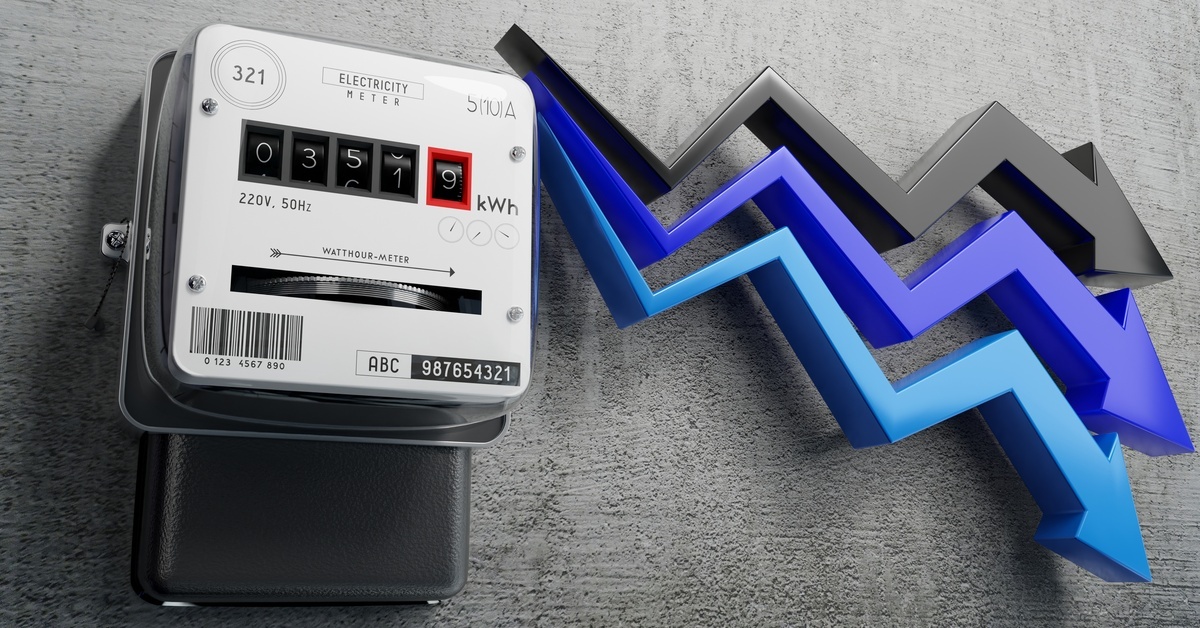
One of the most significant advantages of insulated vinyl skirting is its impact on energy use. By providing a thermal barrier, it keeps the space beneath the home at a more consistent temperature. This helps the entire home stay warmer in winter and cooler in summer, which can lead to noticeable savings on utility bills.
Even though non-insulated skirting doesn’t offer the same level of temperature control, it still improves overall energy use compared to homes without any skirting. Blocking drafts, wind, and moisture from getting under the home still reduces the strain on HVAC systems.
Choosing Based on Climate
Climate is a factor to consider when deciding which type of skirting to install. For areas with harsh winters, intense heat, or heavy storms, insulated vinyl skirting adds an extra layer of protection and comfort. The insulation reduces the risk of frozen pipes and keeps the under-home space drier and more stable.
In areas with mild weather, non-insulated skirting often works just fine. It provides protection from wind and rain while avoiding the added cost of insulation that may not be necessary in moderate temperatures.
Environmental Considerations
Manufacturers commonly use durable materials to make vinyl, and many now produce modern vinyl products with sustainability in mind. Insulated skirting supports energy conservation, which can reduce a home’s overall carbon footprint. By using fewer resources, non-insulated skirting may appeal to homeowners focused on reducing material use.
Choosing skirting from manufacturers that follow eco-friendly practices adds another layer of value, whether selecting insulated or non-insulated options.
Choosing the Right Skirting for Your Home
Start by looking at your region’s climate, the current condition of your home, and your renovation budget. If energy savings, comfort, and weather resistance are top priorities, insulated vinyl skirting is a good choice. If your goal is to improve the look and protection of your mobile home without spending too much, non-insulated skirting is a solid alternative.
Whether you're starting a renovation or planning a mobile home skirting replacement, selecting the right type improves comfort, lowers energy use, and makes your home more attractive.
Ready to Upgrade Your Skirting?
Both vinyl skirting options improve the function and appearance of your mobile home. The best choice depends on what your home needs and what you want to get out of your investment. Visit Mobile Home Outfitters to explore a wide range of skirting options designed to fit your climate, style, and budget. Take the next step toward a better-protected, more comfortable home today.