
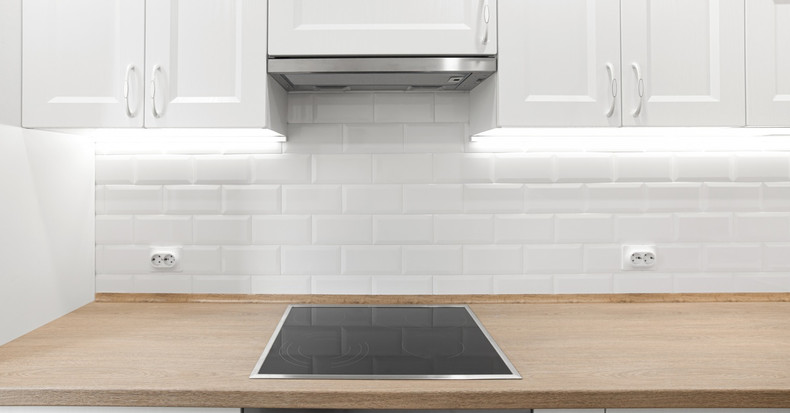

A DIY project like installing a range hood in a mobile home can be tricky for two reasons: the unique setup of mobile home structures can make it scary for DIYers, and there aren’t a lot of resources related to manufactured homes that give good guidance. But there’s good news! This step-by-step guide will teach you how to avoid common mistakes, stay safe, and give your kitchen an amazing upgrade.
Step 1: Choose the Right Range Hood
Your first step is picking a range hood that’s a perfect match for your mobile home. Decide between a vented (ducted) range hood or a non-vented (ductless) one. If you don’t already have exterior venting, a ductless model is by far the easier route.
Keep in mind that mobile homes have smaller spaces and thinner walls, so you should look for mobile home parts and accessories. Manufactured homes require items that are lightweight, easy to install, and compliant with HUD requirements.
Step 2: Gather the Right Tools and Materials
Before you start, create a list of the tools and materials you’ll need for this project. Having everything ready will save you time and reduce your stress.
Below is a list of tools for this project:
- a drill for securing nails
- a level for accurate mounting
- measuring tape for precise placement
- goggles to protect your eyes
- SAWZALL or jigsaw (only for vented hoods)
And here are the materials you’ll need:
- the range hood
- screws
- wall anchors
- ductwork (if vented)
- ducting and venting tape
- wire connectors
- electrical wires
Some of these items may come with your vent kit, so verify that you have everything before starting the task.
Step 3: Turn Off the Power
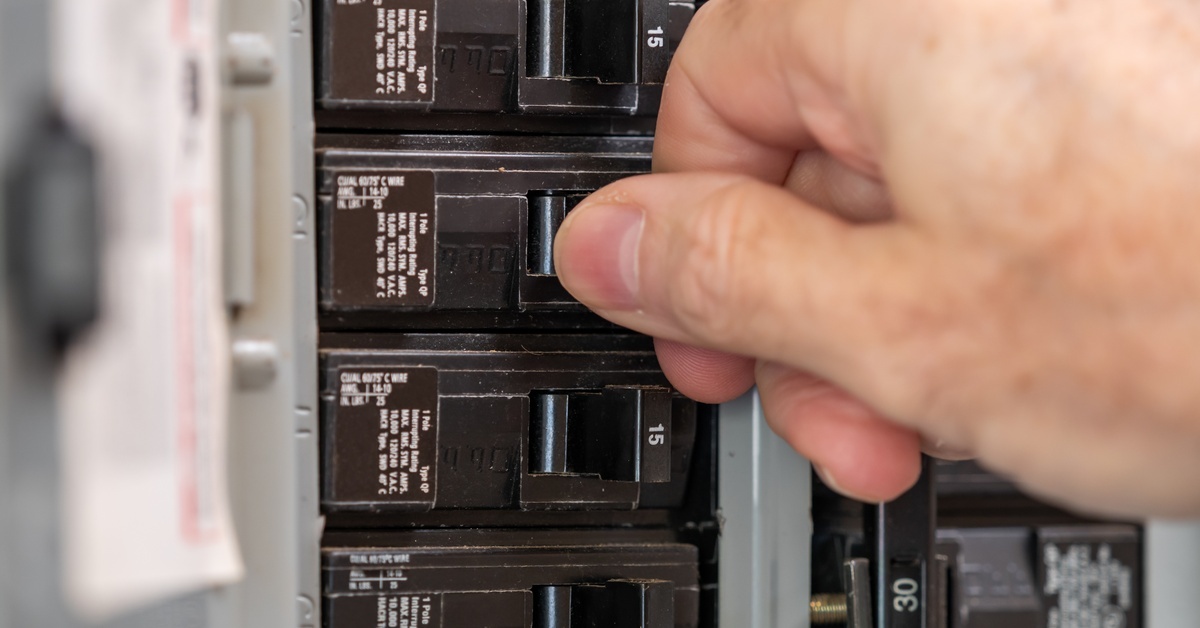
Keep safety first by cutting off power to your kitchen before handling any electrical components or wires. For those who are extra cautious, flip all the breakers off, and complete the job during daylight hours. All you need to do is go to your circuit breaker panel and flip the switch labeled “kitchen” or “stove” into the off position. Test the kitchen lights or outlets to confirm the power is off, and use a voltage tester for reassurance.
This step might seem basic, but skipping it could lead to dangerous and costly accidents. Contact with live wires can cause injuries or expensive repairs. Taking a few extra minutes for these steps can save you a lot of trouble later.
Step 4: Mark the Installation Area
Careful measuring makes all the difference. Using a tape measure, mark the area where you will mount the range hood. For optimal performance, install it 20–30 inches above the stove, depending on your stove type. Electric stoves require a 20–24-inch difference, while gas stoves require a 24–30-inch difference.
Create a complete outline of the range hood on the wall or cabinet using a pencil, and make sure it’s centered for even air circulation. This will make it easier later when you’re drilling pilot holes or preparing to cut vent openings.
Step 5: Prepare for Venting (If Necessary)
For mobile homes, you’ll want to verify the integrity of the walls before cutting into them for a vented range hood. Use a stud finder or similar tool to avoid damaging the support structure of your home. If you are installing a vented hood, then you can skip this step and move to mounting.
Those who have chosen a vented range hood will need proper ducting to expel air outdoors. Check for existing infrastructure first, then decide whether to vent through the roof or the sidewall, and mark the location of where the hole will go. Cut the correct-sized hole using a SAWZALL or jigsaw, and align it with the hood’s vent outlet.
Step 6: Install the Mounting Bracket
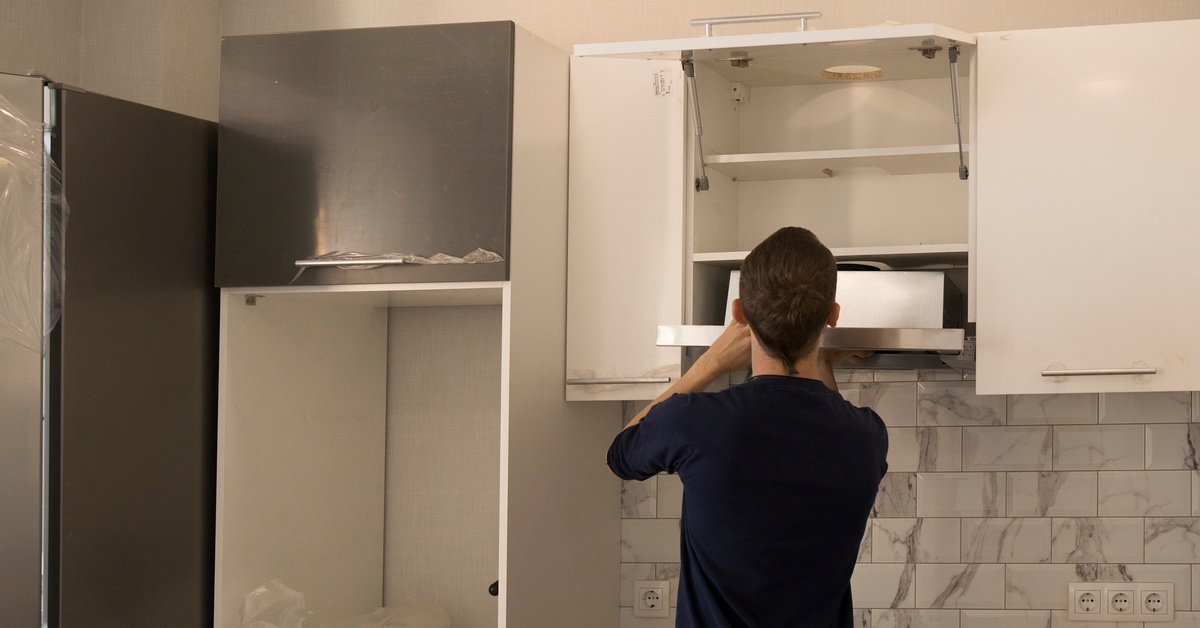
Many range hoods come with mounting brackets to secure them to the wall. Attach the bracket to the wall or the underside of the cabinet using wall anchors and screws. Before tightening the screws, use a level to verify that the unit is even all the way around.
Mobile homes have thinner walls, so use toggle anchors for hollow walls to keep your range hood securely in place.
Step 7: Wire the Range Hood
This step can feel intimidating, but wiring your range hood is actually very simple. Match the black wires, white wires, and green (ground) wires from the hood to those in your wall or junction box. Secure the connections with wire connectors, and wrap them neatly with electrical tape.
Always remember to secure the ground wire to a grounding screw or terminal. This is part of a compliant installation, and it is necessary for reducing the risk of shock, fire, or damage to your new range hood. If you’re new to electrical work, double-check your connections, and don’t be afraid to reach out to an electrician if you have doubts about the safety of your setup.
Step 8: Attach the Range Hood
With the wiring complete, you’re ready to mount the hood. Lift it into place, and attach it to the mounting bracket. If your hood doesn’t require a bracket, secure it directly to your wall or cabinet using the screws and your drill. Each side of the range hood should be flush against its connecting surface so it doesn’t vibrate or make noises.
Do your best to apply even pressure when you install the hood to prevent bending, damage, or misaligned screws.
Step 9: Connect the Vent (If Vented)
For ducted range hoods, attach the ductwork to the hood’s vent outlet. Use heavy-duty venting tape or worm gear hose clamps to keep things secure, and make sure there’s a smooth path for the air to flow outdoors.
Before moving to the next step, shine a flashlight through the ductwork. Focus on areas that have tape or clamps. If you see light shining through the other side, then this is an area that needs a better seal.
Step 10: Test Your New Range Hood
With everything in place, it’s time to test your range hood. Turn the power back on by flipping the breaker switch, and turn on your range hood. Test each setting, including the fan and lights, and if anything doesn’t work as it should, you may have wires crossed. For vented units, verify that the air expels outside.
If anything seems off, double-check connections, and check your hood’s manual. Stay calm if things don’t work exactly right the first time. Troubleshooting is a normal part of any DIY process.
Wrap-Up and Next Steps
Installing a range hood in your mobile home can save money, increase your kitchen’s functionality and style, and give you the satisfaction of completing a project on your own.
Looking to make even more future kitchen upgrades? Mobile Home Outfitters has everything you need for mobile home improvement, from vent kits to kitchen sinks. Visit us today to find everything you need for mobile homes, including expert advice, to make every project a success!