


Your vinyl skirting takes a beating. Rain, mud, pollen, grass clippings, and road grime all add up. And when it's dirty, it drags down the whole look of your home.
The good news? Cleaning mobile home vinyl skirting the right way doesn't require special equipment or a weekend of your life. You just need the right approach and about an hour of effort.
This guide walks you through the whole process, from prep to finish, so you can keep your skirting looking sharp without causing long-term damage.
Why Regular Cleaning Actually Matters
Vinyl skirting is tough, but it's not maintenance-free. Dirt and organic matter don't just sit on the surface. Over time, these elements can work into the vinyl's texture, especially if you've got a woodgrain or stone pattern.
Mildew loves damp, shaded areas. And if you let grime build up long enough, it becomes harder to remove without scrubbing aggressively, which can dull or scratch the finish.
Cleaning your skirting twice a year keeps it looking newer for longer. It also gives you a chance to check for damage, loose panels, or gaps where critters might be getting in.
Your Cleaning Toolkit: Must-Haves for Success
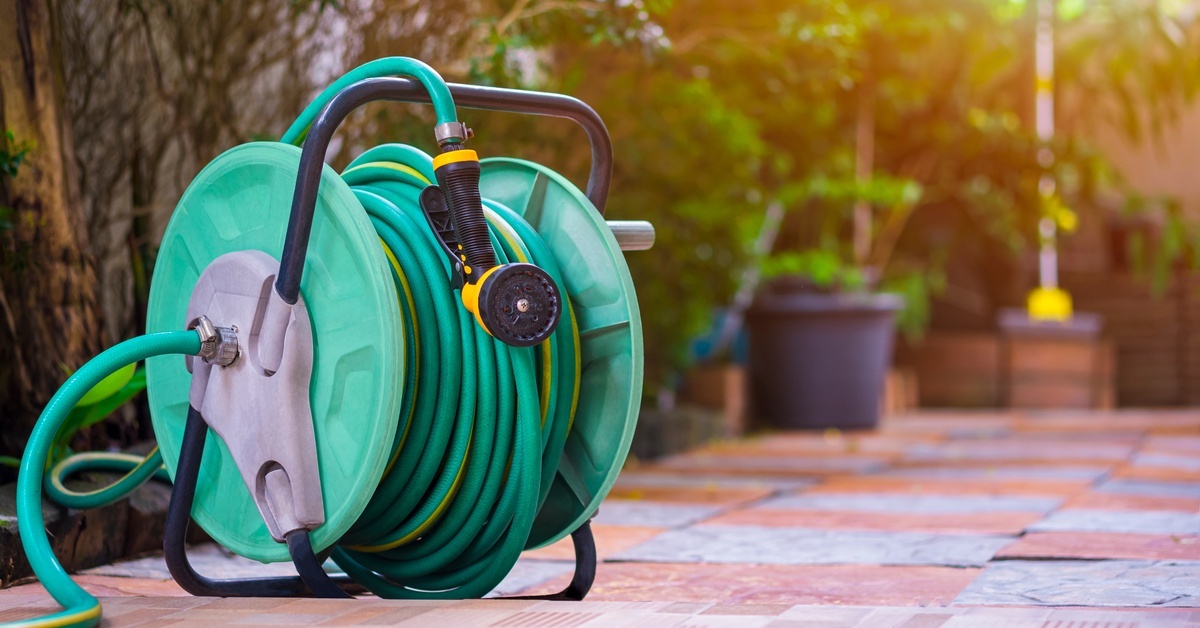
Forget the fancy gadgets and expensive solutions. Cleaning your vinyl skirting is all about using simple tools that get the job done. Here’s everything you’ll need to tackle the mess and restore your skirting’s curb appeal:
- A garden hose with a spray nozzle.
- A soft-bristle brush or car wash brush.
- A bucket.
- Mild dish soap or a dedicated vinyl cleaner.
- Microfiber cloths or soft sponges.
- A step stool if your skirting is taller.
That's it. No harsh chemicals, no abrasive pads, no high-pressure equipment. You don’t need to overthink or overspend. These everyday items are all you need for a deep clean. Simple tools, great results, and your skirting will thank you for the gentle touch.
Step 1: Clear the Area
Walk the perimeter and move anything sitting against your skirting. Planters, tools, hoses, firewood, get it all out of the way. This step gives you full access and prevents you from knocking things over while cleaning.
Check for any loose panels or vents while you're at it. If something's damaged or about to fall off, now's the time to make a quick note so you can fix it later.
Step 2: Rinse Off Loose Dirt
Start with a good rinse using your garden hose. Work from top to bottom, letting gravity do the job. This cleaning removes surface dust, cobwebs, pollen, and anything else that'll come off with water alone.
Don't skip this step. Rinsing first saves you time and prevents unnecessary wear on your skirting. If you go straight to scrubbing, you're just grinding dirt into the vinyl.
Step 3: Mix Your Cleaning Solution
Fill your bucket with warm water and add a few squirts of mild dish soap. You're not making a bubble bath. Use just enough soap to cut through grease and grime.
If you're dealing with mildew or stubborn stains, you can use a vinyl-specific cleaner. Just make sure it's safe for outdoor use and won't damage the finish.
Avoid anything with bleach, acetone, or abrasive ingredients. Those can discolor or weaken the vinyl over time.
Step 4: Scrub in Sections
Dip your soft-bristle brush into the soapy water and start scrubbing. Work in small sections, maybe four or five feet at a time, so the soap doesn't dry on the surface.
Use gentle, circular motions. You're not stripping paint. You're lifting dirt. Pay extra attention to the bottom edge where mud splashes up, and around vents where dust tends to collect.
If you've got textured vinyl that mimics stone or wood, work the brush into the grooves. That's where grime hides. Taking your time here ensures you lift out the dirt that would otherwise linger and dull the finish.
Step 5: Rinse Thoroughly
Once you've scrubbed a section, rinse it immediately with the hose. Again, top to bottom. Make sure all the soap is gone. Leftover soap can leave a film or attract more dirt.
Move to the next section and repeat. Scrub, rinse, scrub, rinse. It's repetitive, but it's effective. By sticking to this process, you'll ensure every inch of your skirting gets the attention it needs for a truly thorough clean.
Step 6: Tackle Stubborn Stains
Most dirt comes off with soap and water. But if you've got rust stains, mildew, or something sticky, you might need a little extra effort.
For mildew, a solution of one-part white vinegar to three parts water works well. Spray it on, let it sit for a few minutes, then scrub and rinse.
For rust or hard-water stains, try a vinyl cleaner designed for them. Test it on a small, hidden area first to make sure it doesn't discolor the material.
Never use a pressure washer. It might seem faster, but the high pressure can crack panels, force water behind the skirting, or damage seams. Stick with the hose for a gentler, safer clean that preserves your skirting and helps it last for years to come.
Step 7: Dry and Inspect
Once you've cleaned and rinsed the entire perimeter, let it air dry. If you're in a hurry, you can wipe down the panels with a microfiber cloth to speed things up and eliminate streaks.
While it's drying, walk around again and inspect your work. Look for any spots you missed, and check the condition of the panels. Cracks, warping, or fading might indicate it's time to consider replacement.
If your skirting is still in good shape but starting to show its age, upgrading to premium vinyl skirting can give your home a fresh look with better durability and less maintenance down the road.
Skirting Care 101: What To Avoid
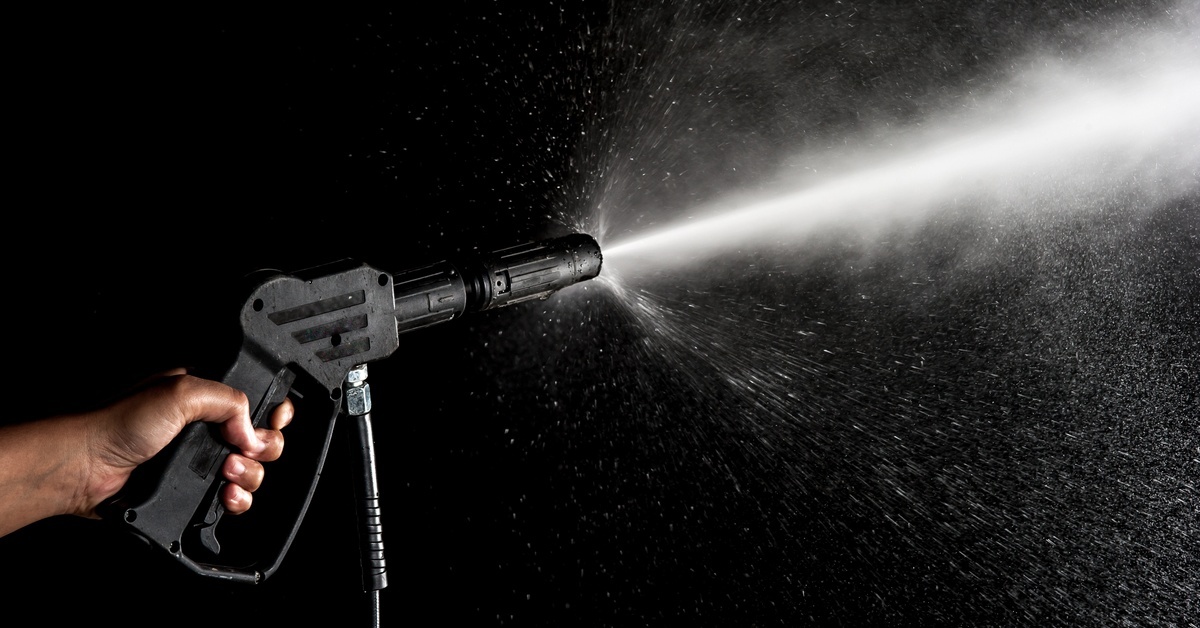
Common mistakes can undo all your hard work and shorten the lifespan of your skirting. Knowing what to avoid is just as important as knowing how to clean. A few things will make your life harder or damage your skirting:
Pressure washers. We already covered this, but it's worth repeating. Too much pressure causes more problems than it solves.
Abrasive scrubbers. Steel wool, scouring pads, and stiff brushes can scratch the surface, making it harder to clean next time.
Harsh chemicals. Bleach, ammonia, and solvent-based cleaners can discolor or weaken vinyl. Stick with mild soap or dedicated vinyl products.
Ignoring mildew. If you see dark spots forming, don't wait. Mildew spreads, and it gets harder to remove the longer it sits.
Clean or Replace? How To Tell When It’s Time
Cleaning works great for maintaining good skirting. Regular upkeep can keep your panels looking fresh and extend their lifespan. But if your panels have cracks, warps, fading, or are pulling away from the home, cleaning won’t address the underlying issues.
That's when it makes sense to look for a replacement. Mobile home vinyl skirting kits include everything you need for a complete installation, including panels, trim, and hardware. It's a bigger project than cleaning, but it's not as complicated as you'd think, and the difference in curb appeal is immediate.
Back to Basics: Effortless Skirting Care
Mobile home underpinning doesn't need to be a chore. A little soap, a soft brush, and a hose are all it takes to keep your vinyl skirting looking solid. Do it twice a year, once in the spring, once in the fall, and you'll stay ahead of buildup.
And if you're ever standing there with a hose in your hand thinking, "This would be easier if the skirting was just newer," that's a sign it might be time to upgrade. But for now, a good cleaning goes a long way.
That’s cleaning mobile home vinyl skirting the right way, simple, practical, and totally doable. No fuss, no expensive tools, just a bit of regular attention that pays off every time you pull into the driveway. Stick with these basics, and your home will stay looking sharp for years to come.