
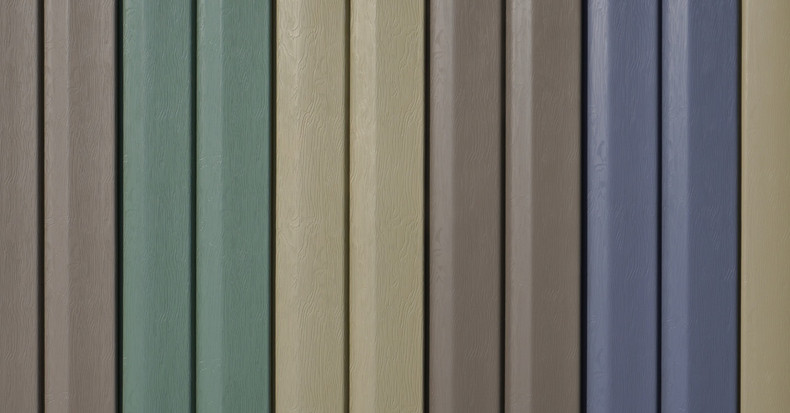

Mobile home skirting does more than protect the area beneath your home; it plays a big part in how your home looks from the outside. The color you choose can improve your home’s curb appeal and make it look more polished. On the other hand, a color that clashes or stands out too much can take away from your home’s appearance.
Choosing the right skirting color for a mobile home involves more than just picking a favorite shade. It requires that you look at your home’s current colors, your landscape, the local climate, and even the skirting material. This guide breaks down what to consider, ensuring your final choice supports both style and long-term satisfaction.
Start With Your Home’s Existing Color Scheme
The skirting should work with your home’s siding, trim, doors, and other exterior features. Look at the dominant tones and decide whether they fall into warm (tan, beige, yellow, or red) or cool (gray, blue, green, or purple) categories. Try to match the temperature of the skirting color to your home’s existing colors to keep everything looking consistent.
If your home features bold trim or accent colors, avoid choosing skirting that competes with them. Instead, look for shades that support the overall look without overpowering it.
Decide Whether To Match or Contrast With the Foundation
Skirting can either blend in or stand out, depending on what kind of look you want. A skirting color that matches your home’s base gives it a more grounded appearance. This can make your home feel stable and well-built. It’s a good option for those who prefer a classic or traditional exterior.
Choosing a contrasting color adds definition and can make certain features of your home stand out more. Darker skirting colors, for example, can make the home seem slightly elevated, while lighter colors may help it blend more into the landscape.
Consider the Landscape Around Your Home
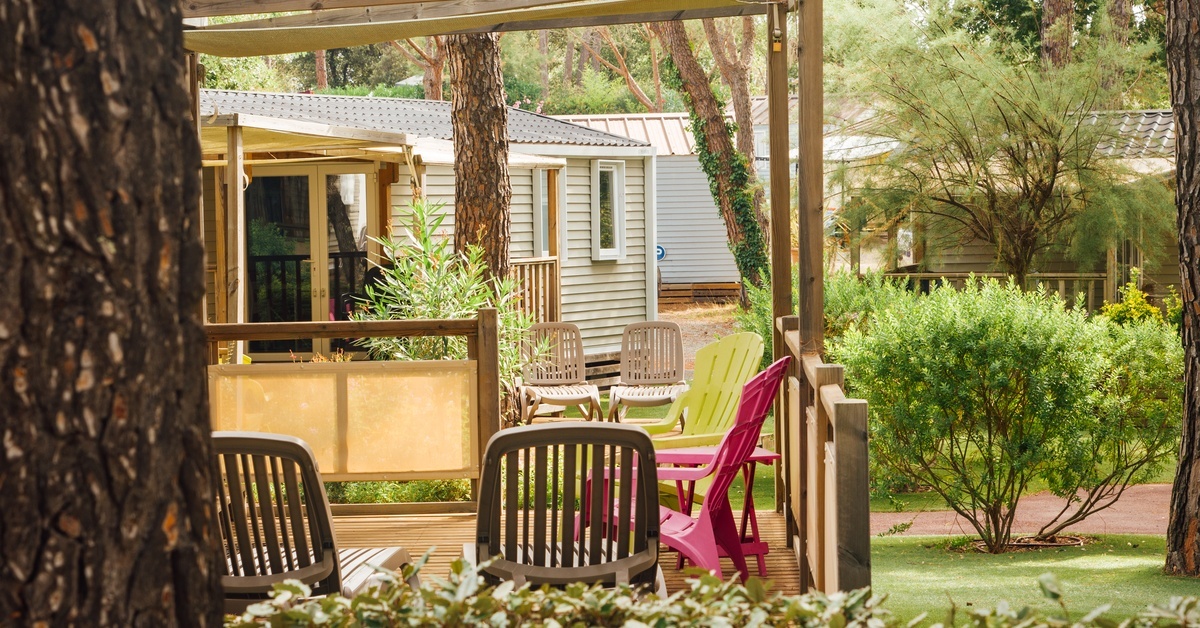
The area surrounding your home should influence your skirting color choice. If your home sits in a desert region, earth tones such as sand, clay, or sage green blend well with the natural scenery. Homes in wooded areas often look best with deeper shades of green, brown, or charcoal that reflect the forest colors.
In suburban or urban neighborhoods, you usually have more flexibility. Take into account nearby homes, fences, patios, and other visible features. For most, the goal is to pick a color that looks like it belongs in the setting rather than one that sticks out awkwardly.
Understand How Skirting Materials Affect Color Appearance
The skirting material you choose can change how the color looks once installed. Vinyl skirting often has a smooth, uniform finish. It tends to keep its color over time but doesn’t have much texture. Metal can reflect light in different ways and may look slightly different depending on the time of day or where you’re viewing the material from.
Concrete and stone skirting usually includes natural variations in color and texture. These materials often fade more slowly and can add depth to your home’s appearance. If you’re choosing one of these materials, remember that no two panels will look exactly the same. This uniqueness can add to that a natural aesthetic that many homeowners look for.
Choose Colors That Work With Your Climate
The local climate should influence your color decision. In hot areas, lighter colors reflect sunlight and help keep the space under your mobile home cooler. In colder areas, darker colors absorb heat, which can reduce energy use during chilly months.
Also, think about how the weather affects how skirting looks over time. Homes in sunny areas may see faster fading, especially with darker or more saturated colors. In rainy or humid regions, dirt, mold, and mildew may show up more easily on light-colored skirting. Choose a color that makes sense for your location and is practical for long-term use.
Think About Maintenance
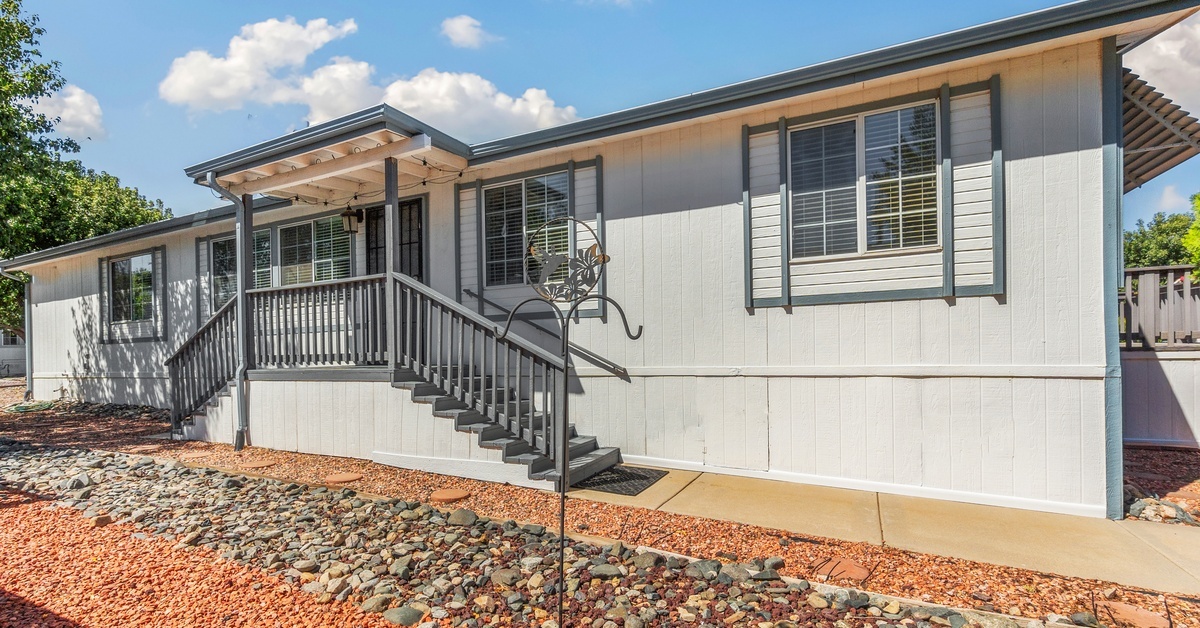
Some colors show wear more than others. Light colors, like white, cream, or soft beige, can quickly show dirt, grass stains, or mud. These options often need more regular cleaning to look their best. If you prefer a lighter look, prepare for a little more upkeep.
Darker colors do a better job of hiding everyday dirt and scuffs, but they may fade faster if exposed to strong sunlight for long periods. Mid-tone colors such as taupe, medium gray, or soft green often provide a balance between visibility and durability.
Pro Tip
Before moving forward, review how to calculate skirting for your mobile home. This step ensures you buy the right amount of material and leave space for maintenance access and ventilation.
Use Proportional Color Choices
The height of your skirting should guide how bold the color is. Taller skirting panels can carry darker or richer colors without overpowering the home. If your skirting is only a foot or two tall, brighter or more subtle shades usually work better.
Dark skirting can make a mobile home seem more anchored, especially if the house sits higher off the ground. Lighter shades tend to blend in with the surrounding landscape and work well for homes with lower profiles or more decorative elements that you want to draw attention to instead.
Look at Long-Term Appeal
While trendy colors might look great right now, they can become outdated quickly. Neutral shades like gray, tan, and brown often hold up better over time. These colors also give you more flexibility if you plan to repaint the rest of your home or add new exterior features later.
Sticking with natural or muted colors makes sense if you want to avoid repainting or replacing your skirting every few years. These hues tend to age well and fit into most settings, no matter how style preferences change.
Coordinate With Outdoor Features
Take note of other outdoor features like decks, stairs, fences, or landscaping. Choose a skirting color that complements these elements. For example, if you have a wooden porch with a reddish-brown stain, a warm-toned skirting in a similar hue can tie everything together.
Also consider how your yard changes through the seasons. A color that looks great in summer might not blend as well in fall or winter. Aim for something that looks good year-round.
Test Before Committing
Color samples can look very different in person compared to how they appear online or in a brochure. Before choosing a final color, test large samples against your home’s exterior. Check how they look at different times of day and from various angles.
Take photos to review the color in both natural and artificial lighting. Doing this extra step can prevent expensive mistakes and help you feel confident in your choice.
Take the Next Step Toward a Professional Finish
Choosing the right skirting color for a mobile home affects how it looks, fits into your surroundings, and holds up over time. A smart color choice makes your home feel aligned with your style and environment.
Mobile Home Outfitters provides expert advice and high-quality materials for skirting projects. Browse skirting color options, review product samples, and request a consultation to start. Contact the team today to schedule installation or get a personalized recommendation based on your home’s needs and location.