
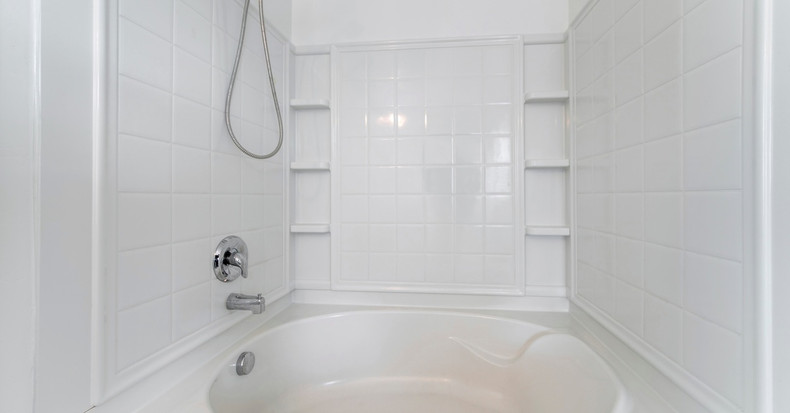
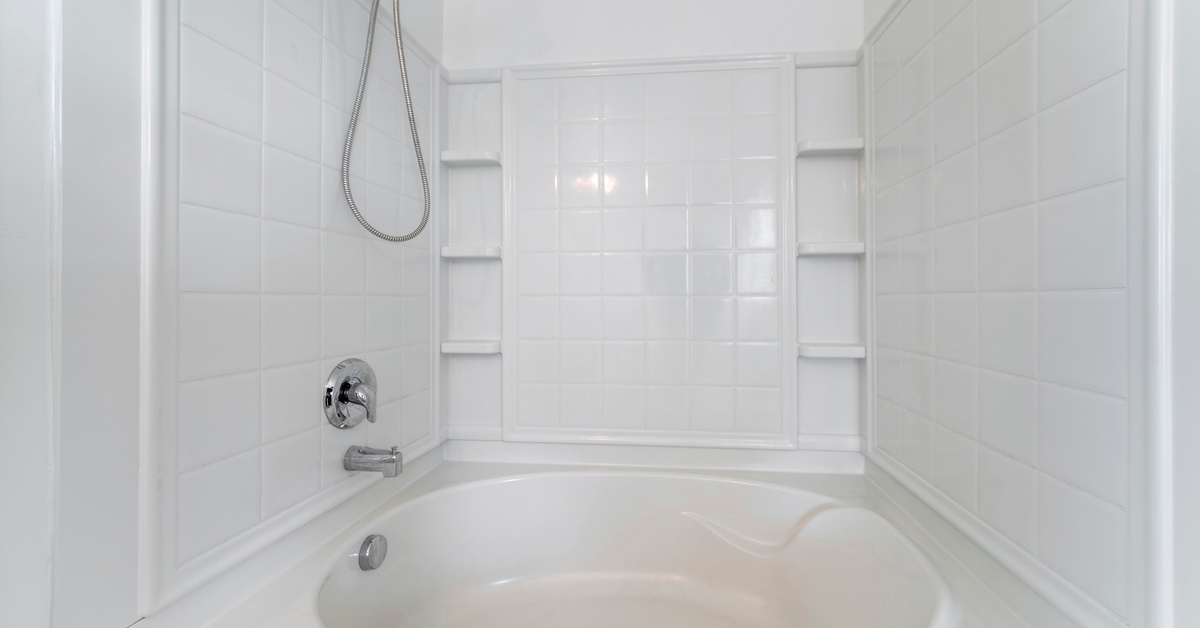
The color of your bathroom wall surround influences how large or small the room feels, sets the tone for daily routines, and even affects long-term home value. Yet many homeowners overlook this decision, often defaulting to basic shades like white or beige without thinking through how color affects both design and function.
Choosing the right color for a bath wall surround can turn a simple space into a relaxing retreat or a standout feature in your home. This guide walks through the most practical factors to consider, including lighting, bathroom size, hardware coordination, trends, and more.
Understanding How Natural Light Affects Color
Lighting makes a noticeable difference in how a color looks throughout the day. North-facing bathrooms receive cool, steady light that can cause warm colors to look dull or gray. In contrast, south-facing bathrooms get strong natural light that might wash out soft hues. East-facing bathrooms glow with warm morning light but become shadowed by afternoon, while west-facing bathrooms experience the reverse.
To avoid surprises, test color samples in your actual bathroom. Look at them during different times of day and under both natural and artificial lighting. What appears calm and balanced in the morning might feel too bold by evening.
Picking Colors That Complement Your Bathroom Size
Wall color directly affects how large or small a bathroom feels. In compact bathrooms, light shades like white, soft gray, pale blue, or ivory reflect more light, making the space feel bigger and more open. Choosing a glossy finish for your wall surround can further brighten the room by bouncing light around.
Darker colors, such as deep navy, forest green, or charcoal gray, add a sense of warmth and comfort, making them suitable for larger bathrooms. However, these shades may feel overpowering in tight quarters unless balanced with light flooring, ceilings, or fixtures.
Coordinating With Existing Fixtures, Vanities, and Hardware
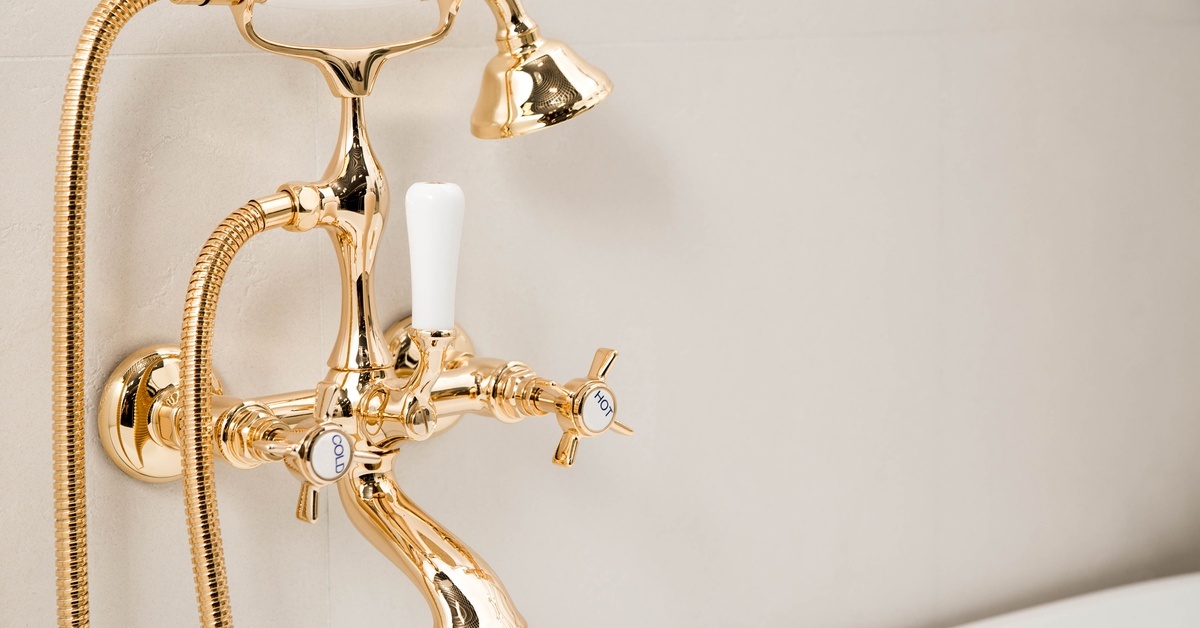
The finish and tone of your bathroom’s permanent features can limit or guide your color choices. Chrome and brushed nickel fixtures work well with cool-toned surrounds like blues or grays. Brass or bronze accents, on the other hand, pair better with warm shades such as beige, taupe, or cream.
Check the undertones of your existing bathtub and sink. If your white bathtub has a warm, yellowish undertone, pairing it with a cool-toned wall surround could create a mismatch. Cool-toned whites match better with modern colors, while warmer whites feel more traditional.
Color Trends and Timeless Choices
Current design trends lean toward calm, nature-inspired tones that encourage a relaxing atmosphere. Popular choices include sage green, muted gray, and soft blue, colors that bring a spa-like feel without overwhelming the space.
Classic white remains a safe and popular option. It works across design styles, feels clean, and never goes out of fashion. If plain white feels too flat, go for a white surround with subtle textures or patterns to add depth and interest without straying from a neutral base.
Maintenance and Cleaning Based on Color
Some colors show dirt and water stains more than others, affecting how often you need to clean the surface. Light-colored surrounds can highlight soap scum and residue more easily. Medium shades like beige or soft gray often do a better job of hiding minor spots between cleanings.
Dark colors can disguise some grime but may reveal water spots or dried soap more clearly. Consider your cleaning habits when choosing a color. For example, those who prefer a low-maintenance surface might lean toward finishes and colors that mask everyday use without constant attention.
Understanding Color Psychology
Color influences how a space feels emotionally, especially in a room where most people begin and end their day. Cool tones like green and blue create a sense of calm and relaxation, perfect for anyone seeking a quiet, spa-like escape. Warmer colors like soft yellow or peach add energy and brightness to morning routines.
Neutral shades, beige, taupe, and light gray, serve as a quiet backdrop that doesn’t distract or overstimulate. They also leave more flexibility for updating accessories like towels, rugs, or curtains down the line.
Matching Your Home's Overall Design Style
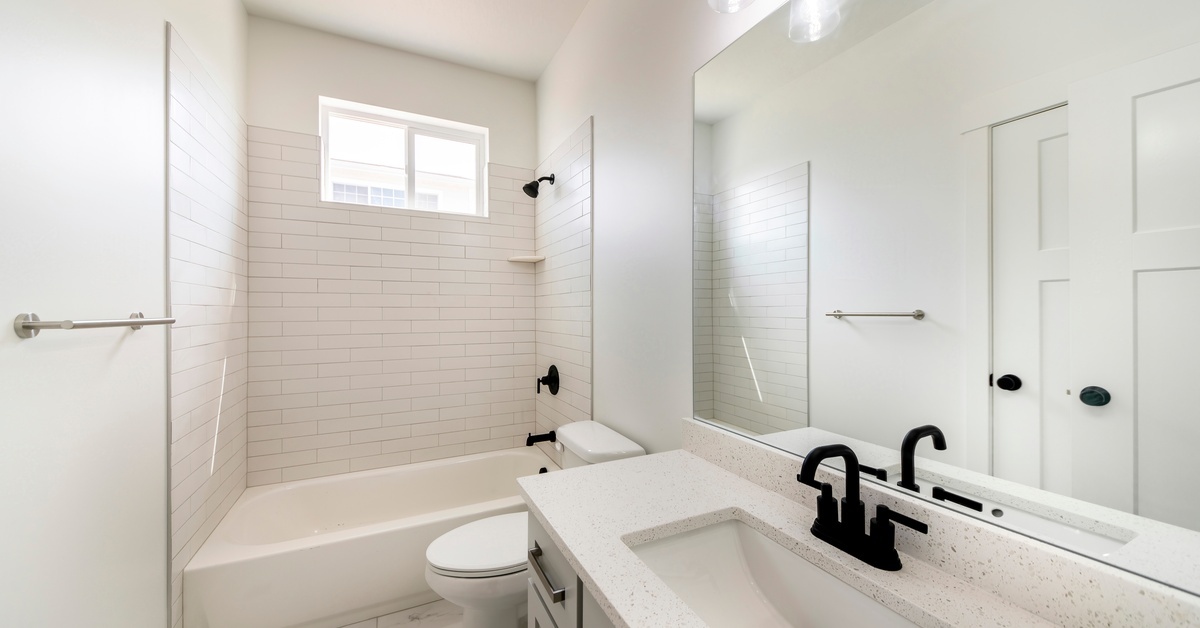
Your bathroom design shouldn’t feel disconnected from the rest of your home. Traditional homes typically work best with timeless colors like ivory, cream, or warm gray. If your house has detailed trim, crown molding, or vintage elements, choose a surround color that matches that character.
Modern homes often allow more flexibility with bold color choices or geometric accent walls. In these settings, high-contrast combinations or textured surfaces feel natural and polished. Transitional homes, which blend old and new styles, do best with neutral or mid-tone colors that bridge traditional and modern aesthetics.
Design Guidelines To Follow
Interior designers often use the 60-30-10 rule for balanced color distribution: 60% dominant color (often the wall surround), 30% secondary color (flooring, cabinetry), and 10% accent color (towels, artwork, small fixtures). A well-chosen wall surround should anchor this balance, setting the foundation for other design choices.
Remember to consider color temperature when deciding on your color scheme. Cool tones work well with cool tones, and the same goes for warm tones. Mixing the two can work, but usually requires an intentional contrast. For example, when blending warm and cool tones, use one consistently as the base and the other sparingly for accents.
Special Considerations for Mobile Homes
In mobile homes, bathroom size and lighting limitations make color choice even more impactful. Most mobile home bathrooms are smaller than standard bathrooms, so lighter wall surround colors often provide the best results. They reflect more light and open up tight layouts.
Since mobile home bathrooms may have fewer windows, choose colors that perform well under artificial lighting. Glossy or semi-gloss finishes can enhance brightness. Good ventilation can assist with moisture buildup, which can affect how certain colors and finishes look over time, so select options that resist discoloration or mildew.
How To Test and Finalize Your Color Choice
Don’t rely on small paint chips or photos when selecting a color. Get physical samples of your top choices, ideally in large swatches, and place them on your bathroom walls. Observe them at different times of the day and with both natural and artificial light sources.
Consider how each sample looks next to your vanity, flooring, and tub. Take photos from multiple angles to compare options objectively. Allow at least a few days to live with each sample before deciding. Personal comfort and visual harmony are the most important indicators of a successful choice.
Create a Bathroom That Works for You
Choosing the right color for a bath wall surround turns a utilitarian space into a cohesive, comfortable part of your home. A well-chosen surround sets the tone, supports your routines, and complements your existing style.
Mobile Home Outfitters offers a wide range of wall surrounds designed for mobile home bathtubs and surrounds in a variety of colors and finishes. Explore the options available to find one that fits your space, your style, and your everyday needs. Ready to update your bathroom? Contact the Mobile Home Outfitters team to start planning your next upgrade.