
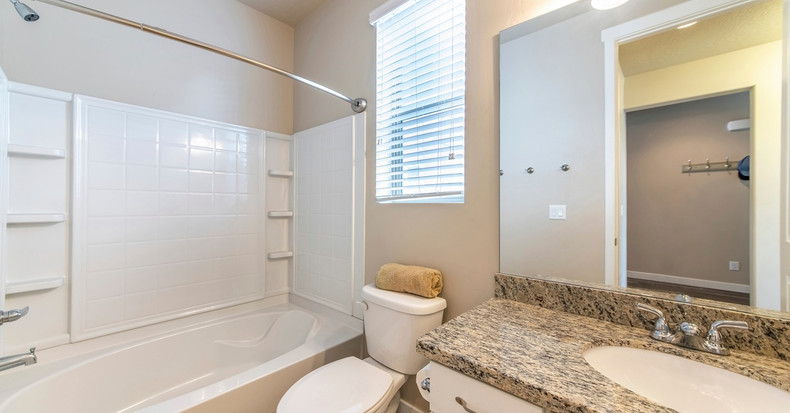
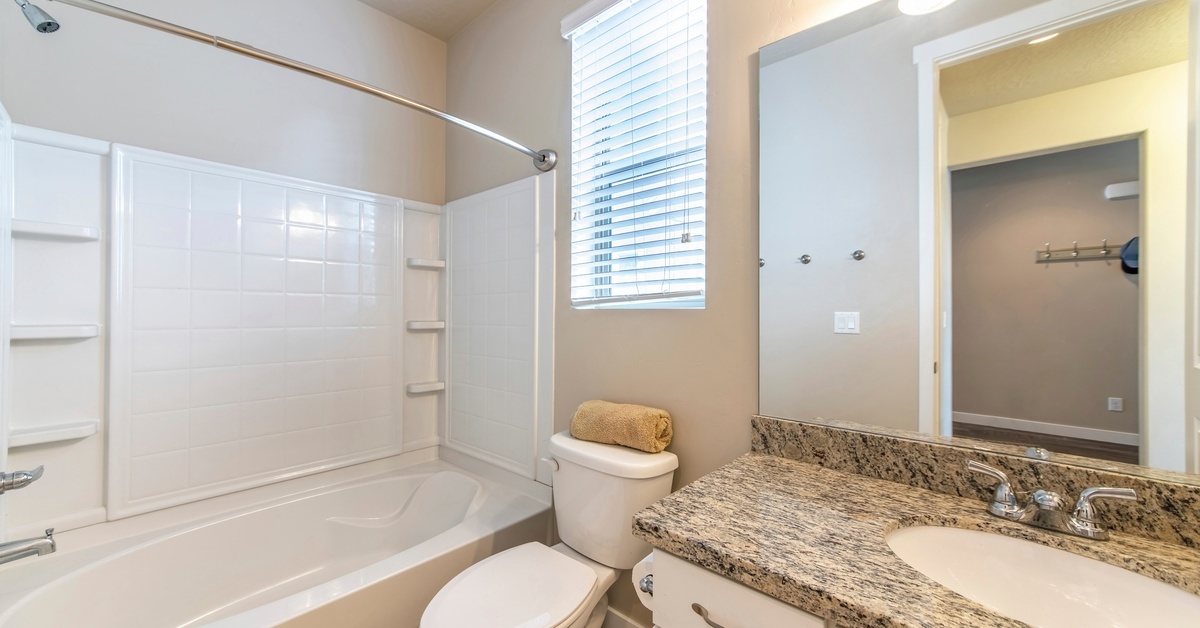
Installing a tub may seem like a complicated job to take on, especially if you’ve never completed renovations on your home before. However, once you gather the right tools and materials and get a little guidance, you’ll realize it’s a doable task. This guide will walk you through eleven things you need to install a new bathtub, making the installation straightforward and easy to complete.
An Installation Plan
Every successful DIY project starts with planning. First, measure your bathroom space carefully. Getting accurate measurements helps you pick a bathtub that fits perfectly and avoid surprises that might cost extra money.
Also, check where your plumbing lines are. If the new bathtub’s drain or faucet locations don’t match the old setup, some plumbing adjustments will be necessary. Mapping this out ahead of time keeps the project moving without unexpected delays.
The Right Bathtub
Next, decide what type of tub to install. Are you swapping out the old tub for a similar style or going for something new and fancy? The style and size affect the materials and tools needed.
Pick a bathtub that suits the space and your style. Popular materials include acrylic, fiberglass, and steel. Each comes with its own benefits: acrylic is lightweight, fiberglass is budget-friendly, and steel is super durable. Think about how the tub will look with your bathroom design and how it will function day-to-day.
When the tub arrives, take a close look for any damage in the form of cracks or chips. Damaged tubs won’t last as long and can cause leaks later. When installing it, have a level on hand to make sure the bathtub sits evenly. An uneven tub can cause water to pool the wrong way or drain slowly.
Basic Plumbing Tools
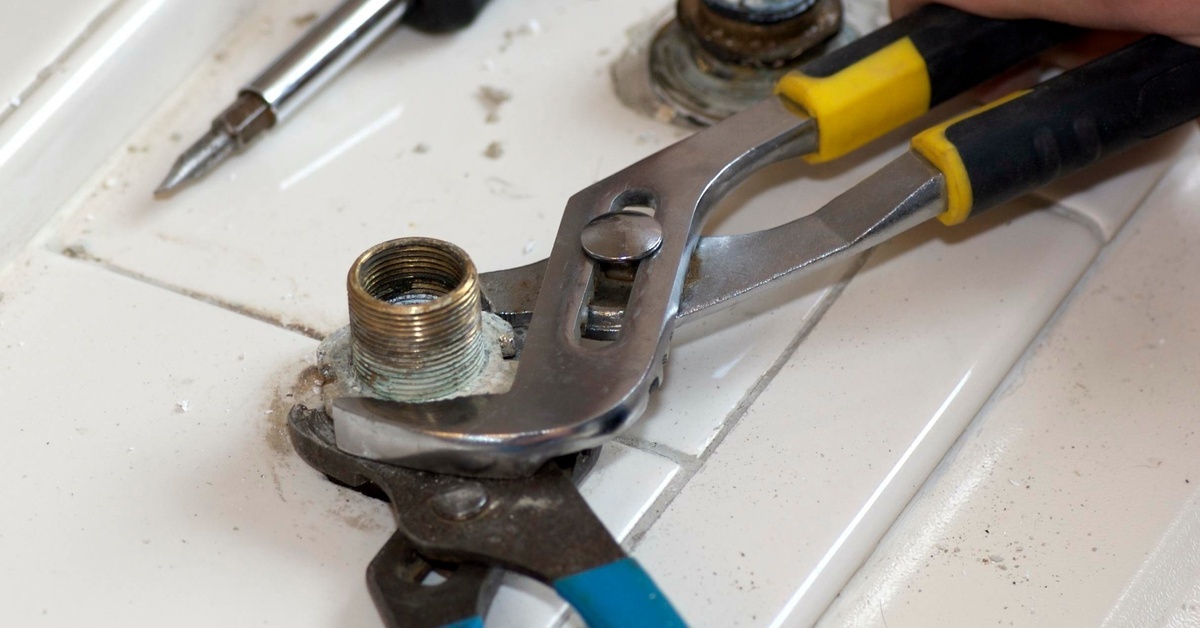
Basic plumbing tools are essential for the installation process. Grab a wrench set and pliers to connect fixtures and tighten pipes. Another useful item to have is plumbing tape, which helps create watertight seals around joints so that water doesn’t leak out.
Take a moment to check your current pipes. If they look worn or corroded, now is a good time to replace them. Upgrading plumbing during the installation process can save you from additional problems down the road.
Sealing Materials
Waterproofing around the bathtub stops water from damaging walls and floors. Use a high-quality silicone sealant to seal the edges where the tub meets the wall. This keeps water from sneaking behind tiles or wall surrounds.
For older bathrooms, additional waterproof tape or wall backing can provide extra protection. Good sealing prevents mold and mildew, which is especially important to prevent damage.
Support Frame or Base
A strong base keeps the bathtub steady and stops it from moving or cracking over time. Some tubs come with their own support frames, but if yours doesn’t, you can create a solid foundation using mortar or another sturdy material. Make sure this base lines up perfectly with the tub’s shape and size. If the base isn’t level or strong enough, drainage problems and structural issues can pop up later, leading to costly repairs.
Drain Kit
Every bathtub needs a drain kit to handle water properly. These kits usually include the drain assembly, overflow pipe, and all the fittings needed to connect everything. Make sure the kit matches your bathtub model and fits the plumbing setup. If your plumbing connections aren’t standard, look for adaptable drain kits. Installing the right drain system keeps water flowing out smoothly and stops leaks.
Wall Surround or Tiling
If the bathtub goes in an alcove or against a wall, decide how to finish the area. Wall surrounds are quick and simple to install, offering water resistance without much fuss. Tiles take more work but provide lots of design options. Make sure to seal the gaps between tiles or surrounds to keep water out. This step protects walls from damage and helps the whole bathroom remain structurally sound.
Plumbing Fixtures
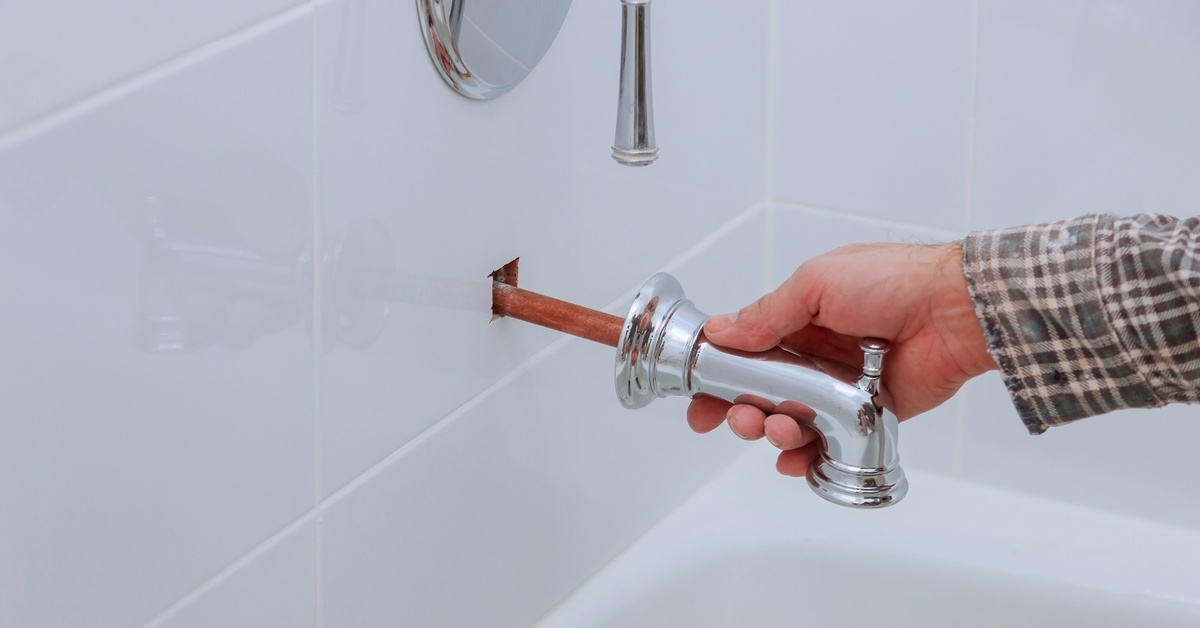
No bathtub is complete without faucets and fixtures. Pick models that fit the tub’s style and match your plumbing system. Chrome or brushed nickel finishes stand up well to moisture and wear. Before the final installation, double-check the water lines are tight, and test your faucets for leaks. Catching any issues early saves time and keeps the new space in great condition.
Insulation Around the Tub
Adding insulation around the bathtub improves user comfort by keeping water warmer longer and reducing noise when the tub fills or drains. Foam insulation or special barriers work well. This step isn’t always thought of but makes a big difference in everyday enjoyment.
Ventilation for Your Bathroom
Bathrooms get humid fast, and having a good exhaust fan or ventilation system keeps air moving and lowers moisture levels. This helps prevent mold and mildew on walls, ceilings, and around the tub. Make sure the fan is the right size for your bathroom to clear out steam efficiently.
A Final Inspection
Once the tub is in place, clean up any leftover debris, old sealant, or dirt around the edges and surfaces. Then, test everything. Turn on faucets, check drains, and look for leaks. If something isn’t quite right, fix it before finishing up. This final check makes sure the bathtub works perfectly from day one.
Upgrade Your Bathtub With Help From Mobile Home Outfitters
With these eleven things you need to install a new bathtub lined up, the project should feel much more manageable. Good planning, the right tools, proper sealing, and attention to detail will result in a functional bathtub. As you begin working on your new bathtub, keep this list handy to ensure you don’t miss any important steps.
For those working on mobile home showers or other places with special plumbing needs or space constraints, these steps keep everything running smoothly and looking great. If you’re ready to start, Mobile Home Outfitters offers a wide selection of quality tubs, plumbing supplies, and materials to fit your project. Check out our catalog, and receive expert advice to find what works best.